
Inletkeeper Blog
New Report Warns Alaska LNG Pipeline Would Threaten Critically Endangered Cook Inlet Beluga Whales and Coastal Communities
FOR IMMEDIATE RELEASE: June 4, 2026
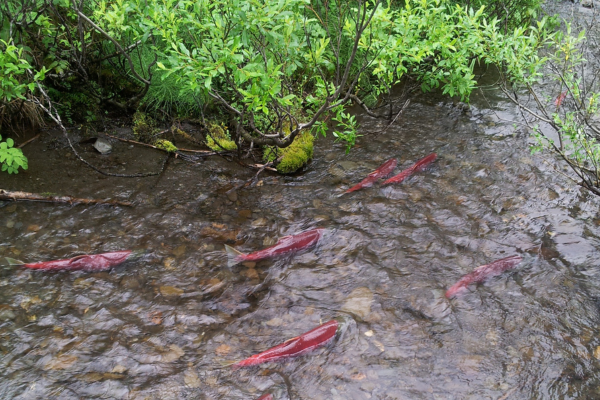
Clean Water, Healthy Salmon: Protecting Instream Flows Matters More Than Ever
The Alaska Department of Natural Resources is currently considering changes to the state’s instream flow reservation regulations that will make it increasingly difficult to reserve water for fish. At a time when climate change is putting increasing pressure on Alaska’s salmon streams, we should be reducing barriers to protecting water—not creating new ones.
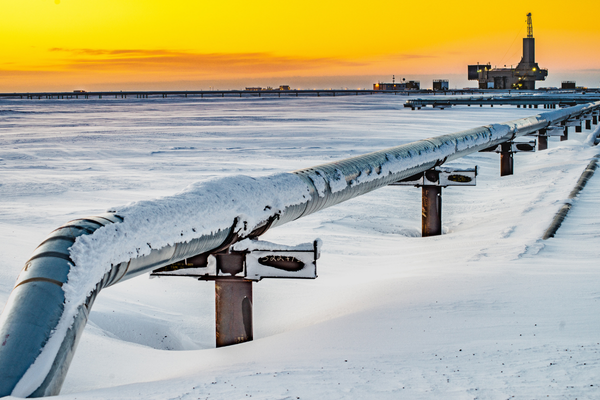
AK LNG: The Cost For You 101
The Department of Revenue has presented many economic models for other tax rates brought forward by legislators. But all this information only obscures the fact that what’s most essential is still missing. What will the project cost, and what does it imply for gas costs?
Every Day is Earth Day
Bring your disused devices to Electronics Recycling events on May 2nd in Homer and Soldotna. May 9th in Seward.

AK LNG Needs a Free Ride on Public Services to Support the Gasline Gamble
The geopolitical dice are still tumbling. But Alaska has better things to do than gamble on the roll.
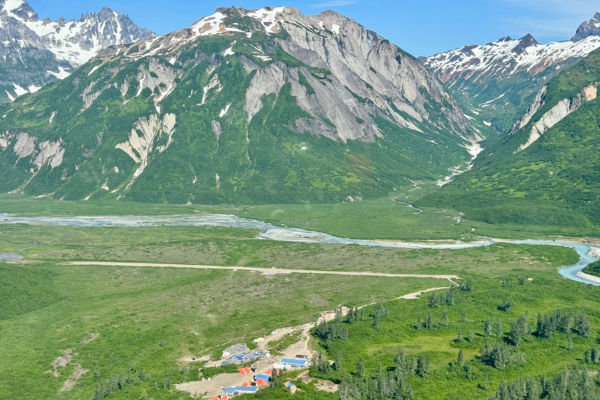
The Johnson Tract Gold Mine: Outside Profits, Local Consequences
A new economic report based on the proposed Johnson Tract Mine’s 2025 SEC Technical Report Summary Initial Assessment reveals a common story: like many so other extractive projects in Alaska, the wealth generated by this mine would be concentrated in national and global capital markets rather than in nearby communities.
CIRI Shareholders Deserve a Voice
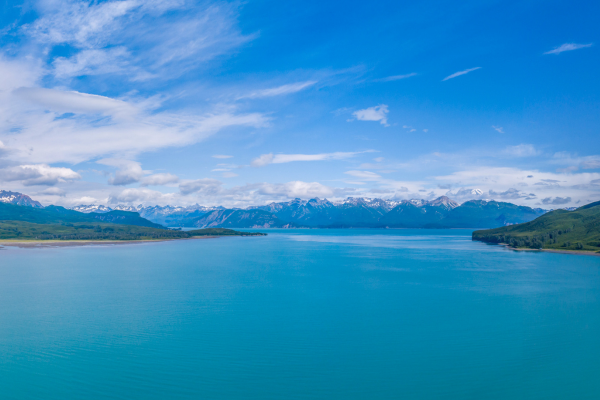
As the landowner, Cook Inlet Regional Inc. has primary decision making power over the future of the Johnson Tract Gold Mine. For a project with so many local consequences, CIRI shareholders deserve to be fully informed and have meaningful opportunity to weigh in.
No Handouts for the Pebble Partnership
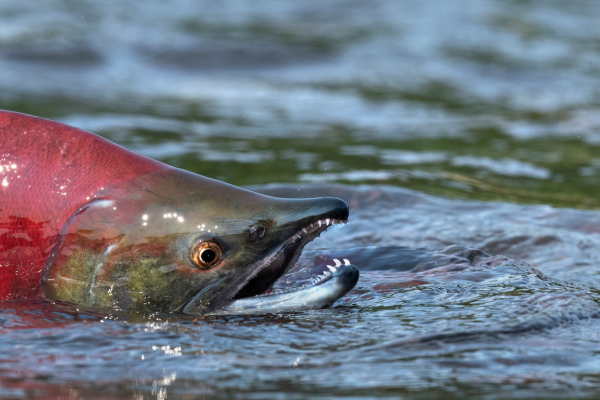
Last month, the Department of Justice issued a briefing affirming their defense to the EPA’s 2023 Clean Water Act veto for the massive open-pit copper mine proposed in the Bristol Bay watershed as part of an ongoing lawsuit. As we celebrate the DOJ’s affirming stance on Pebble’s unacceptable risk to Bristol Bay, we keep our eyes on the long-term solution: State-driven protections for the entire Bristol Bay watershed. The Bristol Bay Forever Act is currently under consideration in the AK State Legislature.
Homer Drawdown: No Scrap Wasted
Homer Drawdown is a community-led, grassroots organization working to sequester carbon, reduce emissions, and ultimately fight the climate crisis that affects us all. No Scrap Wasted was selected as our fourth solution last December. This initiative aims to redirect waste streams locally, ensuring that whatever resources are expended are fully utilized.
Why AK LNG Is Worth Opposing
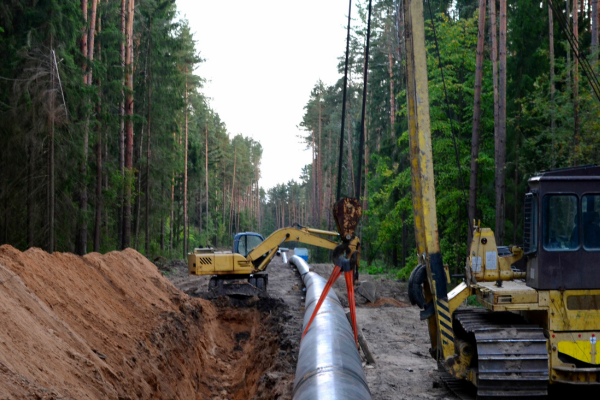
Investing in LNG is a bet on climate policy failure. What we can be certain of is that AK LNG would substantially more than double Alaska’s current carbon footprint. It’s a low-probability, high-impact risk that we can’t ignore.