See what we’re protecting: Summer scenes from Tuxedni and Lake Clark National Park

Cook Inlet, Johnson Tract Mine, Mining

Two-thirds of Alaska’s population lives in the Cook Inlet watershed. Yet, many have not had the opportunity to visit Lake Clark National Park and adjacent Tuxedni Bay on the west side of Cook Inlet. From afar, it's a dramatic mountain range of volcanoes; close up, it's a stunning, sweeping landscape bursting with life.
Though the West side of Cook Inlet is the backyard of the most industrial corners of Alaska, it’s remained a safe haven for wildlife, commercial and subsistence harvest, and ecotourism. All of that could change if the proposed Johnson Tract gold mine is constructed. The photos in this blog are all from this summer and capture the truly valuable nature of this place – whole and intact.

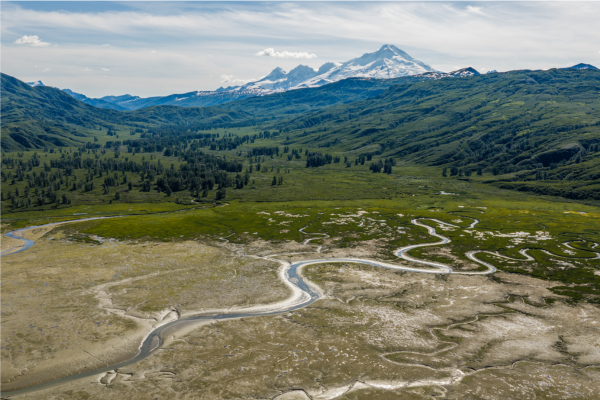
The Johnson Tract Gold Mine would be constructed at the headwaters of the Johnson River right into the side of Mt. Iliamna, one of Cook Inlet’s iconic, active volcanoes visible in the background. A 20-mile ore haul road through this valley to the proposed port in Tuxedni Bay would fill in wetlands and fragment habitat while introducing traffic, noise, lights, risk of pollution from heavy metals, sulfuric acid, and fuel, and human-wildlife conflicts. Is this the type of activity we are willing to allow in a National Park? Photo credit: Aaron Minks

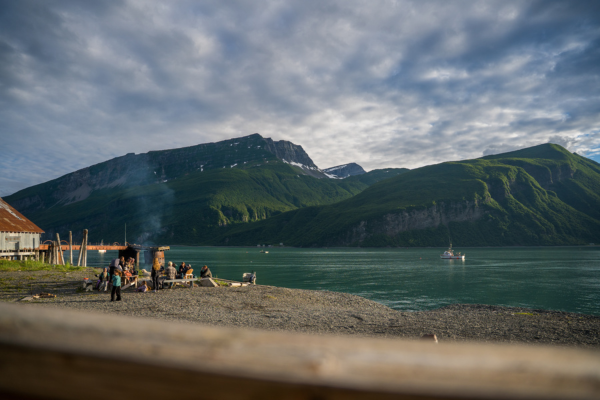
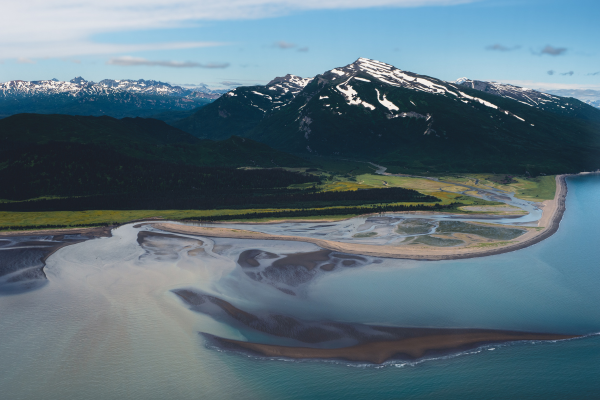
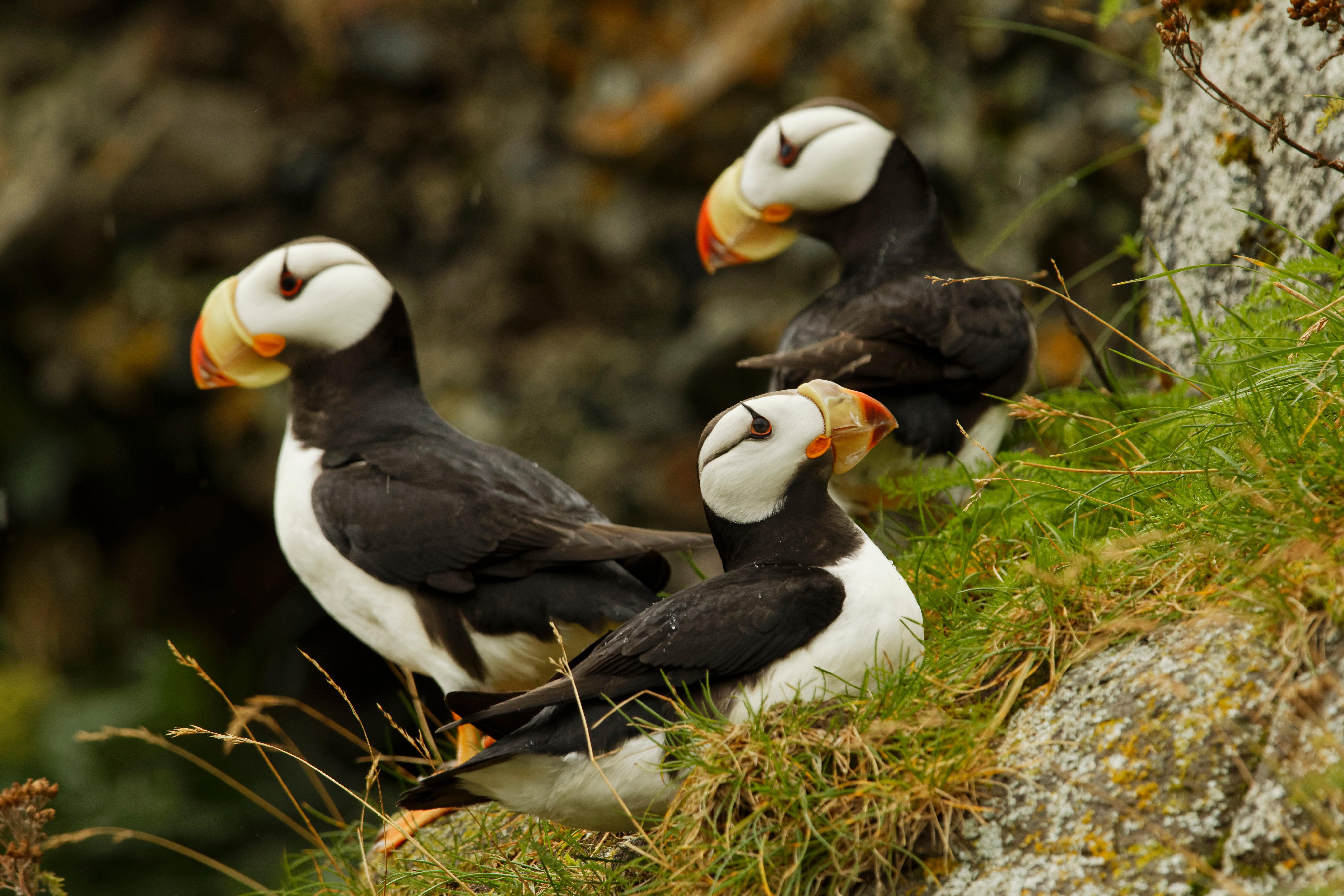
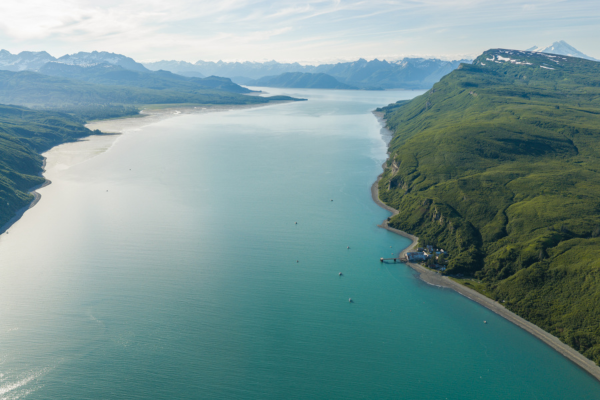
Tuxedni Bay is home to generational setnet family fish camps, the historic Snug Harbor Outpost – once a cannery, now turned ecotourism lodge, a National Maritime Wildlife Refuge protecting the largest seabird nesting colony in Cook Inlet and the only known winter feeding grounds for the endangered Cook Inlet beluga whales. Ore-hauling barges would fill this narrow channel between the mainland shores (left) -where the proposed industrial port would be located- and Chisik Island (right) nearly year-round if the proposed Johnson Gold Mine Tract is constructed. Photo credit: Aaron Minks
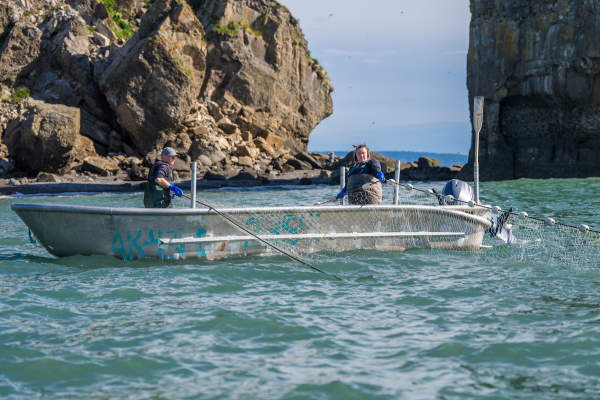
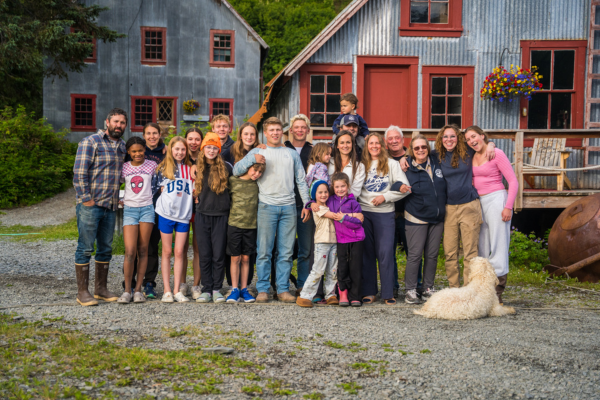
In the summer, people are a part of these living, breathing lands and waters. The Kalhanek Fish Camp – a multigenerational commercial setnet camp is one of many in Tuxedni Bay. These lands and waters provide sustainable livelihoods for the families and individuals who return year after year. This place is a deeply cherished part of many Alaskans’ lives.  Photo credit: Aaron Minks

Tuxedni Bay is home to generational setnet family fish camps, the historic Snug Harbor Outpost – once a cannery, now turned ecotourism lodge, a National Maritime Wildlife Refuge protecting the largest seabird nesting colony in Cook Inlet and the only known winter feeding grounds for the endangered Cook Inlet beluga whales. Ore-hauling barges would fill this narrow channel between the mainland shores (left) -where the proposed industrial port would be located- and Chisik Island (right) nearly year-round if the proposed Johnson Gold Mine Tract is constructed. Photo credit: Aaron Minks
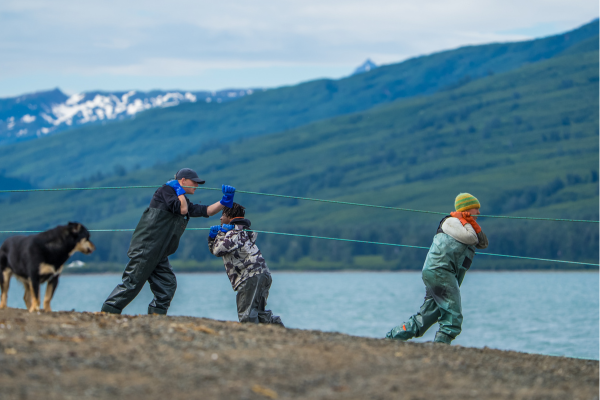
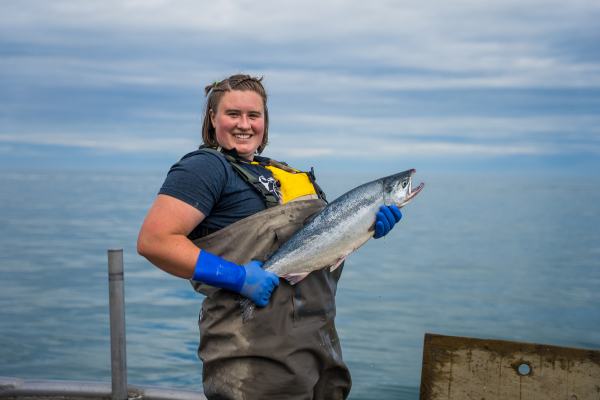
These waters support all five species of Pacific salmon and many Alaskan bellies. Photo credit: Aaron Minks
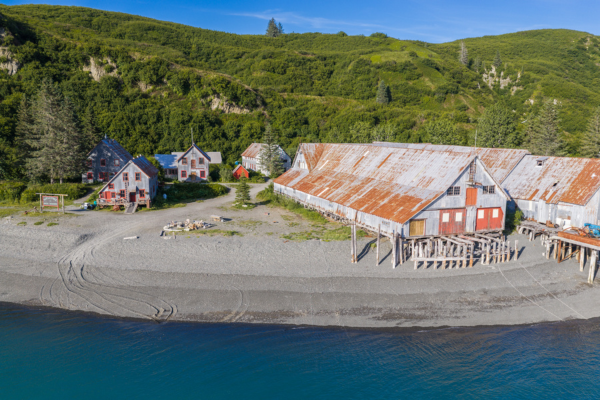
On the other side of Chisik sits the Historic Snug Harbor Outpost. Still standing after more than 100 years, this was once a prominent family-owned cannery in Cook Inlet.  Photo credit: Aaron Minks
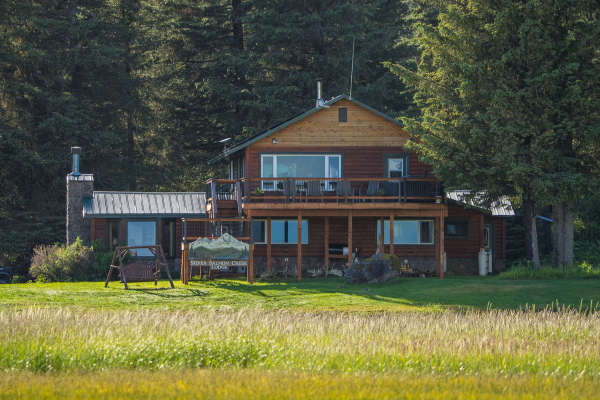
Now it’s an ecotourism lodge owned by a fishing family whose summers spent here span generations. Snug Harbor has been the economic center and gathering place of the Tuxedni Bay community for more than a century.  Photo credit: Aaron Minks
Snug Harbor represents the past and future of sustainable Alaskan livelihoods in Tuxedni Bay. Sitting directly across the water from where the mine would build their industrial port, the Johnson Tract Gold Mine puts this place at risk. Ecotourism relies on beautiful, healthy landscapes abundant with wildlife; this is not compatible with mining activities. Photo credit: Aaron Minks
The Johnson Tract Gold Mine would be constructed at the headwaters of the Johnson River right into the side of Mt. Iliamna, one of Cook Inlet's iconic, active volcanoes visible in the background. A 20-mile ore haul road through this valley to the proposed port in Tuxedni Bay would fill in wetlands and fragment habitat while introducing traffic, noise, lights, risk of pollution from heavy metals, sulfuric acid, and fuel, and human-wildlife conflicts. Is this the type of activity we are willing to allow in Lake Clark National Park? Photo credit: Aaron Minks
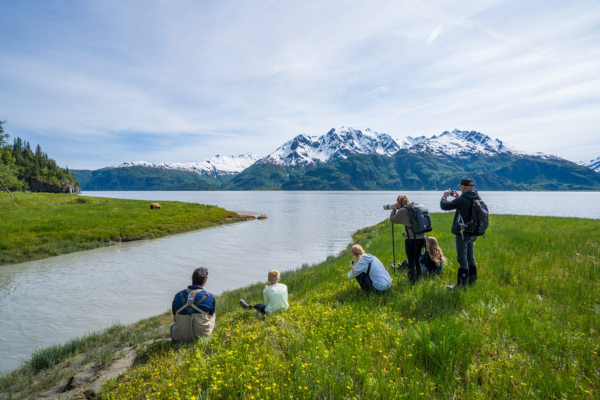
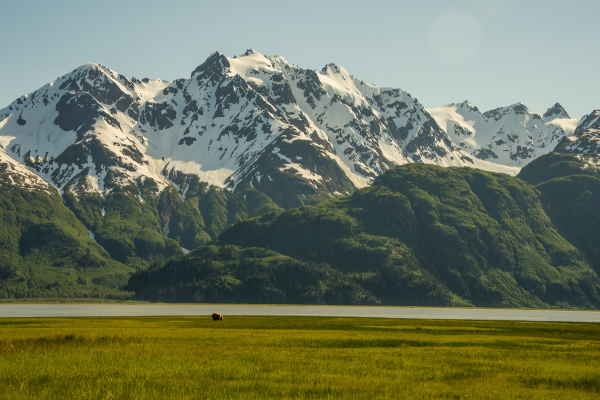
The coastline of Lake Clark National Park hosts one of the densest populations of Brown Bears in the world. The bear viewing industry on the west side of Cook Inlet contributes more than $50 million to south central Alaska’s economy, employing over 400 local jobs annually. This vibrant landscape should remain a highway for bears and other wildlife, not mining trucks. Photo credit: Aaron Minks
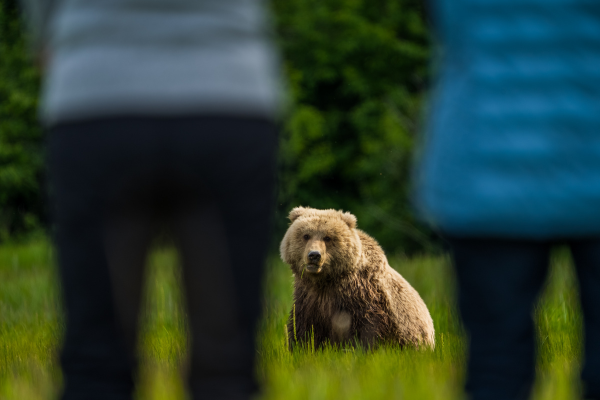
Through years of careful, peaceful interaction and a collective mindfulness around trash and food, many of these coastal brown bears have developed an ingrained trust with visitors, allowing for a highly unique and once-in-a-lifetime experience to view and photograph these wild kin up close. Bringing industry into the park will lead to more human-wildlife conflicts, making these bears less predictable and less safe to enjoy. Photo credit: Aaron Minks
Another ecotourism business downstream of the proposed mine, Silver Salmon Creek Lodge, sits just south of the Johnson River. This bear-viewing lodge has been operating since the 80s and is another small family business concerned about the mine. In addition to fears that the mine will drive the bears away, the folks at Silver Salmon Creek Lodge and the neighboring Homestead Lodge are highly concerned that the mine could contaminate their drinking water source. Photo credit: Aaron Minks
Before salmon and berry season, bears eat 20-30 lbs of these sedge grasses every day just to maintain their weight. Photo credit: Aaron Minks
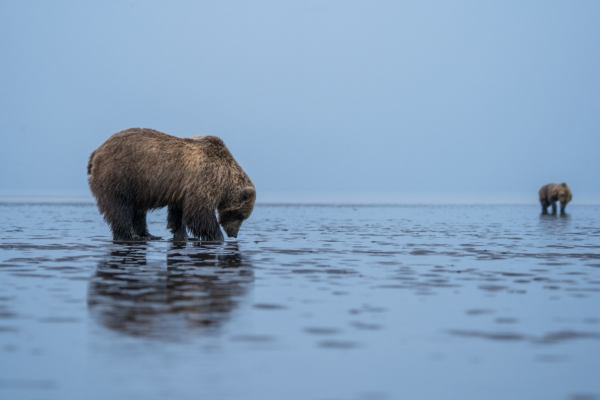
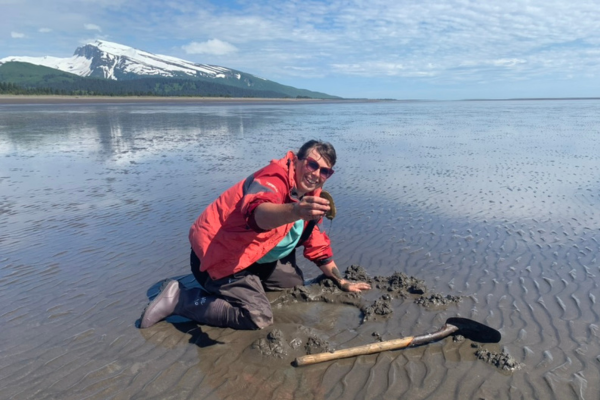
The density of bears on the west side of Cook Inlet is partially attributed to the abundance of food sources. Here, bears are adept at digging for razor clams, an important source of protein before the salmon run.  Photo credit: Aaron Minks
The coastline around and nearest to Tuxedni Bay hosts the last remaining abundant razor clam beds in Cook Inlet. It’s not only bears that enjoy these clams, as the east side fishery has closed, but these beds also remain an important source of traditional and subsistence food to many local tribes and Alaskans. 

As the summer quiets down, people will pack up camp, and bears will find their dens. But this place stays alive. Under the water, beluga whales will return to fill Tuxedni Bay with their calls all winter long. Photo credit: Brooke Bartleson