
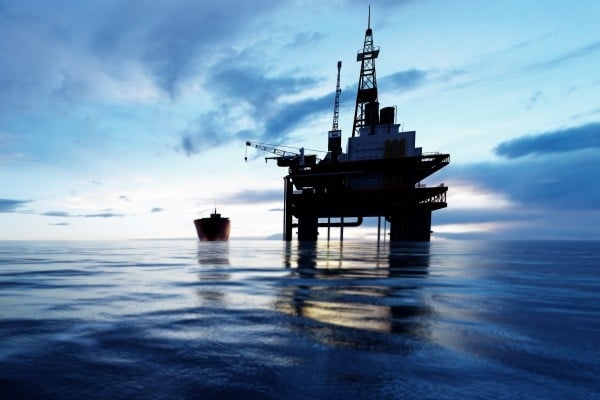
In September, Inletkeeper reported two unexplained oil sheens near Hilcorp’s inactive Spark Platform in Trading Bay, yet another red flag about the dangers of letting aging oil infrastructure linger in our waters. But instead of demanding answers or action, the Alaska Department of Natural Resources (DNR) just handed Hilcorp another free pass, rubber-stamping yet another delay in cleaning up these platforms. Governor-elect Jonathan Kreiss-Tomkins is asking Alaskans for public input. Tell him Alaska needs DNR leadership that will enforce cleanup obligations, not grant another delay.
The first sheen, spotted by a pilot in August, stretched five miles along Cook Inlet | Tikahtnu’s west side. Weeks later, another sheen appeared after Hilcorp restarted a produced-water outfall pipeline to Spark. The line was quickly shut down, but no one has confirmed what caused either spill.
Despite this, on October 21, DNR rubber-stamped Hilcorp’s request to “terminate” the North Trading Bay Unit, home to the Spark and Spurr platforms. But don’t be fooled by the word “terminate.” All DNR really did was hand Hilcorp another extension to dodge its cleanup responsibilities.
Spark and Spurr were both built in 1968 and haven’t produced crude oil since 1992. Spark’s wells are plugged, but a subsea pipeline still delivers waste-water from Granite Point. Spurr, meanwhile, sits idle while Hilcorp drags its feet on plugging wells, chasing pipe dreams of reviving production. Hilcorp promised to plug the rest of the wells in 2024, but, surprise, they’ve kicked that can down the road again to focus on other projects.
DNR’s latest decision gives Hilcorp two more years to plug just five of Spurr’s nine remaining wells. For the other four, Hilcorp has until March 2029 to decide whether they want to try squeezing more oil out. While these old, inactive platforms are putting our waters and fish at risk, DNR has not given Hilcorp a single deadline for dismantlement and removal of this dangerous infrastructure. The only real requirement is to test the Spark-Spurr pipeline for leaks by the end of 2028. This is extremely lenient considering we already know the outfall pipeline to Spark has integrity problems. What will it take for DNR to hold Hilcorp accountable?
Old oil platforms aren’t just an eyesore; they’re an ongoing threat to our waters, wild salmon, fisheries, and everyone who depends on them. Alaskans deserve better than rusty relics cluttering our backyard. Hilcorp is a billion-dollar corporation, and like most billion-dollar empires, they didn’t get there by playing fair. Cleaning up their mess isn’t profitable, so they’ll keep chasing extensions and pretending they might revive ancient wells.
We need new DNR leadership to stop letting Hilcorp treat Tikahtnu | Cook Inlet like their personal junkyard and finally hold them to real cleanup standards so our communities and future generations aren’t left holding the bag.
Right now, Governor-elect Jonathan Kreiss-Tomkins is asking for public input. Urge him to appoint DNR leadership that will enforce firm deadlines for dismantling platforms, removing pipelines, and restoring the sites.
New leadership is needed for the Alaska Department of Environmental Conservation (DEC) too. DEC sets toxic pollution limits based on how much fish people supposedly eat. These rules are meant to protect Alaskans who depend on fish and shellfish, but the numbers DEC uses are outdated and don’t reflect what many Alaskans, especially subsistence users, actually eat. That means the standards may not be strong enough to keep our communities safe.
Oil and gas leases in Alaska get special treatment you won’t find anywhere else in the country. Platforms in Tikahtnu | Cook Inlet aren’t required to recycle their wastewater; they get to use “mixing zones,” a loophole that lets them dump toxic, metal-laced waste and pretend the tides will wash it away. This outdated “dilution is the solution to pollution” mindset turns our public waters into private sewers. Every year, billions of gallons of toxic waste pour into the Inlet, poisoning beluga habitat and the fish Alaskans depend on.
Exposure to these pollutants isn’t just an abstract threat. Consuming contaminated fish or water can increase the risk of serious health problems for residents and tribal communities, including cancers, hormone disruption, immune system damage, neurological issues in children, birth defects, and reproductive harm. Some metals and chemicals build up in the body and can be passed from mother to child, posing long-term risks for families who rely most on local fish and shellfish. Clearly, the gap between what the standards say and the real health protection Alaskans need is putting our communities in harm’s way.
Alaskans have been waiting since 2013 for DEC to deliver on its promise to strengthen water protections. On June 5th, 2024, the EPA told Alaska loud and clear: our water quality standards are falling short, but the critical overhaul of fish consumption rates, key to protecting those who rely on wild fish, remains unfinished and unapproved. The EPA gave Alaska until June 2025 to get its act together, but DEC hasn’t even released draft rules for public comment. Every month of delay keeps our communities at risk, especially from Hilcorp’s ongoing pollution.
The EPA’s 2024 determination makes it clear: Alaska needs new, stronger health criteria for pollutants in our waters, especially as pollution increases from the delayed removal of Hilcorp’s aging infrastructure in Tikahtnu | Cook Inlet. Updating the standards with a fish-consumption rate that actually reflects subsistence use would finally set real limits on toxins going into our waters and protect the people who harvest and eat local fish. Updating those standards matters, right alongside removing pollution sources and restoring habitat.
Tell Governor-elect Kreiss-Tomkins to appoint DEC leadership committed to updating the fish consumption rate.
Make your voice heard: ask JKT to choose leaders who put clean water, healthy habitat, and Alaskans first.
To report an oil sheen or hazardous substance spill in Cook Inlet, immediately call both the Alaska Department of Environmental Conservation (DEC) at 1-800-478-9300and the U.S. Coast Guard National Response Center (NRC) at 1-800-424-8802. Under Alaska law, any amount of oil or hazardous substance released into water must be reported immediately. By speaking up and reporting concerns, you can help hold officials accountable and push for real protections for Tikahtnu | Cook Inlet.