
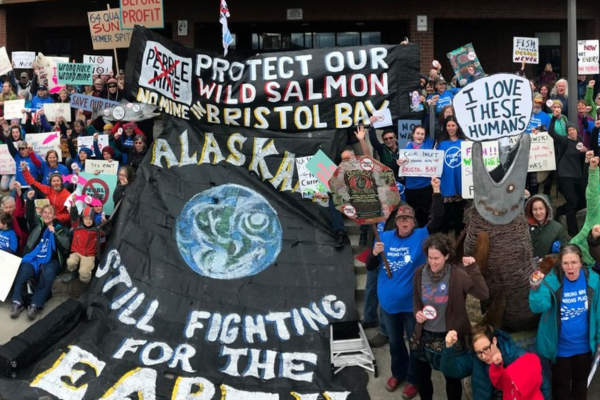
At the end of June, the Trump administration stood by the EPA’s veto of the Pebble Mine during oral arguments in federal court. This is an encouraging sign in the ongoing fight to defend Bristol Bay from one of the most reckless mining proposals Alaska has ever faced.
The Pebble Partnership is seeking to overturn the EPA’s 2023 Clean Water Act determination, which found that the massive open-pit mine would pose unacceptable risks to the Bristol Bay watershed. As an intervenor in the case, Inletkeeper is working alongside partners to defend the EPA’s veto and the protections it provides for Bristol Bay. During the hearing, attorneys for the federal government argued that the agency’s decision remains supported by the scientific record and the significant threats the project would pose to fish habitat, wetlands, and the world-renowned Bristol Bay salmon fishery.
Even as the administration pushes for more resource extraction in Alaska, defending the EPA’s veto shows they know what Alaskans, Tribes, commercial fishermen, and local communities have said all along: Bristol Bay is simply too valuable to gamble away.
The lawsuit remains ongoing, and Pebble’s backers continue searching for avenues to advance the project. For now, the EPA’s veto still stands and is being defended in court. We’ll keep watching every move and keep pushing for permanent protections so Bristol Bay’s salmon, communities, and way of life are safe for future generations.