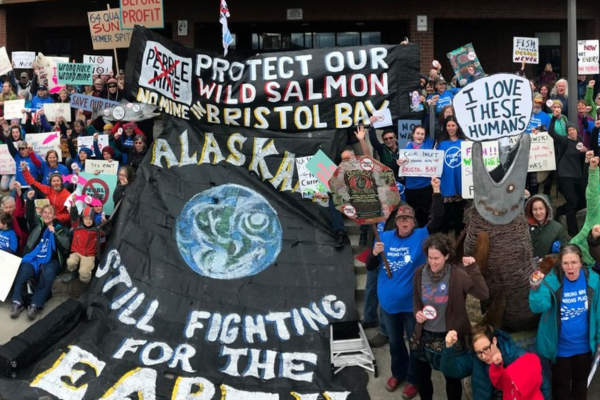
Bristol Bay Remains Protected: The Pebble Mine EPA Veto

Clean Water, Cook Inlet, Pebble Mine, Salmon

Even as the administration pushes for more resource extraction in Alaska, defending the EPA’s veto shows they know what Alaskans, Tribes, commercial fishermen, and local communities have said all along: Bristol Bay is simply too valuable to gamble away.
At the end of June, the Trump administration stood by the EPA’s veto of the Pebble Mine during oral arguments in federal court. This is an encouraging sign in the ongoing fight to defend Bristol Bay from one of the most reckless mining proposals Alaska has ever faced.
 
The Pebble Partnership is seeking to overturn the EPA’s 2023 Clean Water Act determination, which found that the massive open-pit mine would pose unacceptable risks to the Bristol Bay watershed. As an intervenor in the case, Inletkeeper is working alongside partners to defend the EPA’s veto and the protections it provides for Bristol Bay. During the hearing, attorneys for the federal government argued that the agency’s decision remains supported by the scientific record and the significant threats the project would pose to fish habitat, wetlands, and the world-renowned Bristol Bay salmon fishery.
 
Even as the administration pushes for more resource extraction in Alaska, defending the EPA’s veto shows they know what Alaskans, Tribes, commercial fishermen, and local communities have said all along: Bristol Bay is simply too valuable to gamble away.
 
The lawsuit remains ongoing, and Pebble’s backers continue searching for avenues to advance the project. For now, the EPA’s veto still stands and is being defended in court. We’ll keep watching every move and keep pushing for permanent protections so Bristol Bay’s salmon, communities, and way of life are safe for future generations.

Similar Posts

The “Big, Beautiful Cook Inlet” (BBC1): March Lease Sales Move Forward without New Environmental Reviews

Instead of conducting updated environmental analysis, on the BBC1 lease sale the administration indicated it would rely on reviews completed in 2017 during the first Trump administration. Inletkeeper has joined with community and environmental groups to formally notify Interior Secretary Doug Burgum of their intent to sue if the sale proceeds without required consultation under the Endangered Species Act (ESA). Relying on outdated reports disregards nearly a decade worth of analysis on the accelerating impacts of climate change, increased industrial activity, and updated science on species and habitat conditions.

We can’t risk turning climate pollution into water pollution

Carbon capture has a host of uncertainties upstream of the injection well. But let’s set aside for now the unsolved technological question of how CO2 can be affordably captured at any significant scale. Likewise the economic and political questions of how to price and/or police carbon to make polluters capture it. What concerns do we have about pumping CO2 underground, and the vigilance needed to be sure it doesn’t harm the people and ecosystems above?

Cook Inlet at a Crossroads

Cook Inlet | Tikahtnu is a special place. Its waters, salmon, wildlife, and communities have sustained life here for millennia. That didn’t happen by accident—and it won’t continue without people willing to stand up, speak out, and stay engaged. Thanks to supporters like you, Cook Inletkeeper has done exactly that for more than 30 years.

Unexpected Life in Unmapped Waters

I’ve waded in what I consider the most beautiful waters in the world here in the Cook Inlet watershed. I’ve chased every species of salmon that call these special waters home. However, after teaming up with the Kenai Watershed Forum (KWF) for Salmon Habitat Mapping field days—a program designed to engage volunteers in documenting local, unmapped salmon habitats as part of Inletkeeper’s Local Solutions series—I can now say that fish also live in unexpected places.