
by Cook Inletkeeper | Nov 18, 2020 | Clean Water, Government, Healthy Habitat, Local Economies, Pebble Mine, Salmon
When I was young and my mom thought I was running with the wrong crowd, she had a simple admonition: if you lay down in the gutter, you get up dirty. That was long ago. But today, when I look at our industry “partners” in Alaska, it feels like we’re wallowing in the...

by Cook Inletkeeper | Sep 3, 2020 | Clean Water, Healthy Habitat, Local Economies, Salmon, Uncategorized
Over the past five years, as we’ve developed our local foods programming, the value of building and supporting local food systems has become increasingly clear in our work to protect the Cook Inlet watershed.The United Nations refers to food, energy and water as the...
by Sue Mauger | Jul 13, 2020 | Climate Change, Government, Healthy Habitat, Local Economies, Press Releases, Salmon, Uncategorized
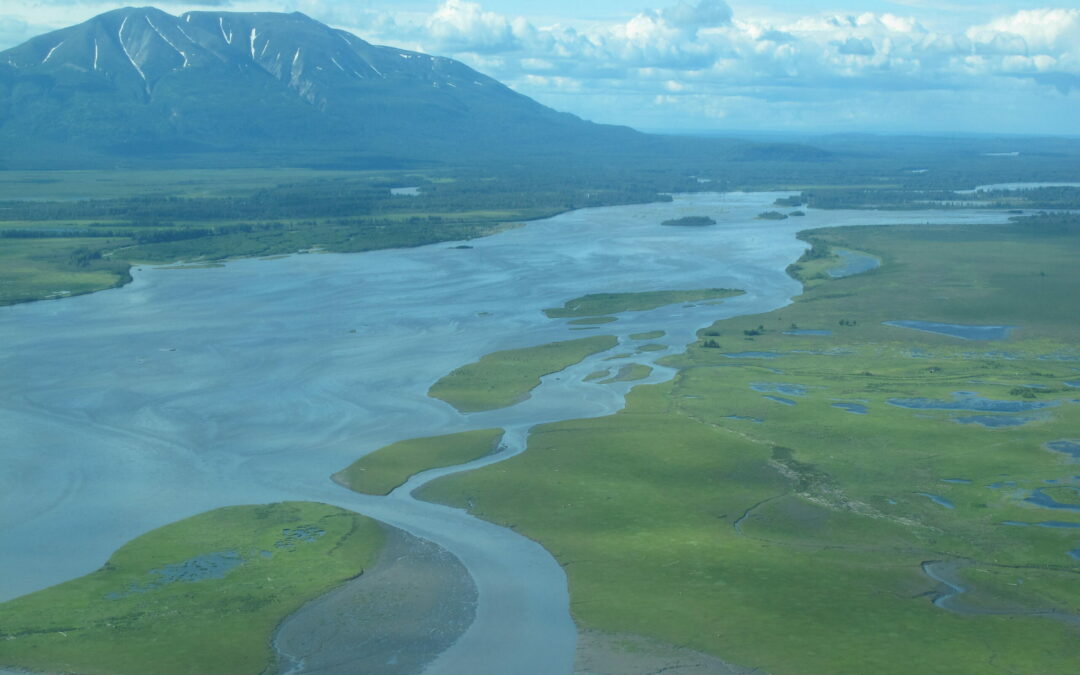
A new study – led by University of Alaska researchers and in collaboration with Cook Inletkeeper – provides the first evidence that declines in many of Alaska’s Chinook salmon populations can be attributed in part to climate-driven changes in their...

by Cook Inletkeeper | Jul 9, 2020 | Civics, Clean Water, Energy & Alaska, Healthy Habitat, Local Economies
There is an enduring struggle in Cook Inlet to maintain a balance between developing oil and natural gas resources while also protecting the watershed’s rich biodiversity and thriving tourism and fishing industries. To date, the scale has tipped in favor of...
by Cook Inletkeeper | May 20, 2020 | Bears, Clean Water, Energy & Alaska, Local Economies, Salmon
Government bureaucrats love to highlight Alaska’s work protecting our environment, because it helps sell the idea that Alaska’s “open for business.” The big mining, oil and gas corporations also like to tout Alaska’s green bona fides, because it helps insulate them...

by Cook Inletkeeper | Mar 19, 2020 | Civics, Clean Water, Government, Healthy Habitat, Local Economies
“Food sovereignty is the right of peoples to healthy and culturally appropriate food produced through ecologically sound and sustainable methods, and their right to define their own food and agriculture systems. It puts the aspirations and needs of those who produce,...
