
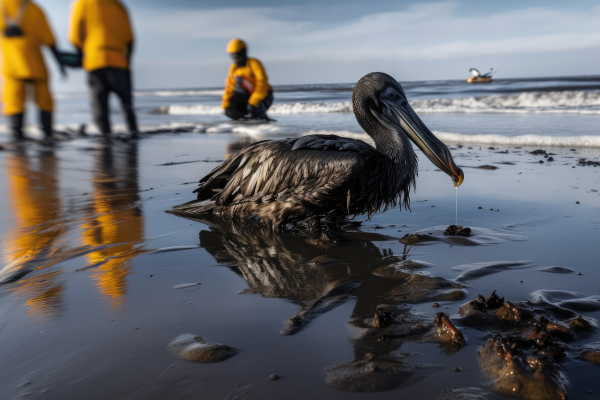
Prior to the Deepwater Horizon disaster in 2010, when 5 million gallons of crude oil poisoned the Gulf and 11 workers lost their lives, these agencies were already housed under one roof. The disaster led to an investigation that found that asking one agency to both hand out drilling permits and enforce safety rules resulted in the agency being too captured by industry to do its job. Corruption, industry favors, rigged contracts, and a total breakdown of oversight were prevalent. Even the Department of Interior’s own watchdog called out a culture of substance abuse and misconduct. Today’s merger disregards these not too distant lessons.
To make matters worse, on the same day this merger was announced, the President’s budget proposed slashing over $100+ million and hundreds of staff from the newly combined agency. That means more drilling, fewer watchdogs and more risk of dangerous spills. Once again, coastal communities pay the price while industry profits.
Federal experts, both current and former, are already raising red flags. A sitting BSEE regional director warned that DOGE cuts have already put his office’s staffing well below the level needed to oversee existing offshore operations, let alone Trump’s massive offshore drilling expansion. A former NOAA oil spill response official similarly warned that we are “far from prepared” for another major spill. Alaska’s fisheries cannot afford the devastation of another major disaster in our waters.
This merger is just the latest in a long line of reckless giveaways to Big Oil. The Trump administration keeps handing offshore drillers everything they ask for. In Alaska, that means forced federal lease sales in Cook Inlet and gutting the Endangered Species Act, so companies don’t have to answer for the harm they cause to species like our endangered Cook Inlet belugas.
This merger guts the independence of the agency that’s supposed to keep offshore drilling in check, allowing for Big Oil to influence its way out of inspections and environmental reviews. The goal is simple: more drilling, less oversight, bigger profits.
Thankfully, recent lease sales in Lower Cook Inlet have flopped. But that could change if this administration continues tearing down the safeguards that protect our waters and communities. Cook Inlet deserves better an agency that protects people, not polluters. With your support, Inletkeeper will keep fighting to hold federal agencies accountable and stop reckless offshore drilling. The stakes for Cook Inlet have never been higher.
The Exxon Valdez spill happened 21 years before Deepwater Horizon, but both disasters left scars that still shape how we think about offshore oil. Decades later, crude oil still stains parts of Prince William Sound. These tragedies taught us the hard way why accountability and oversight matter. Rolling back those lessons puts every coastal community that relies on clean water, healthy fisheries, and safe offshore operations at risk.