
What’s happening now, and why it’s different
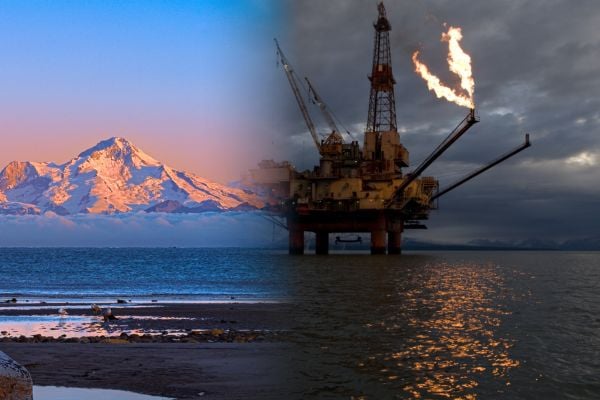
Cook Inlet | Tikahtnu is facing a series of new threats from the oil and gas industry. Developing offshore oil platforms creates the risk of pollution and spills that could have huge consequences for our fisheries, endangered species, and for local tourism.
Earlier this year, the Bureau of Ocean Energy Management (BOEM) initiated a national five-year planning process for offshore oil and gas lease sales. The existing plan wasn’t set to expire until 2029, but it didn’t line up with the Trump administration’s overtly pro-oil approach. So BOEM threw the plan out, and now proposes to open an extensive amount of Alaska’s coastal oceans — 21 total leases from Southeast to the Arctic — to industrial development.
The agency released its new draft on November 20th, offering a limited 60-day window for public comments over the holidays—a deliberate attempt to prevent public participation in this process. The plan includes five lease sales for Lower Cook Inlet from 2027 to 2031 that span 5 million acres, including areas that have never previously been exposed to harmful oil industry impacts.
The five proposed Cook Inlet leases are part of Cook Inlet’s Dirty Dozen, along with six separate offshore leases required by President Trump’s budget bill, and an attempt to resuscitate 2022’s deeply flawed Lease Sale 258.
Alaskans oppose offshore oil development
Alaskans have consistently protested against this kind of offshore oil and gas development. During the most recent attempt to sell leases in Cook Inlet, more than 99 percent of the roughly 93,000 people who commented opposed the sale. That’s because it’s clear the risks are too high. Officials estimate there is a 20 percent chance of a significant oil spill if Lease 258 moves forward. In its past attempts to push this sale through, the government ignored inevitable harms to endangered Cook Inlet belugas. Along with state and national partners, Cook Inletkeeper challenged Lease 258 because of its environmental impacts, and in 2024, we won.
Years of opposition against industry expansion in the Chukchi and Beaufort seas in the Arctic successfully led to new protections under Presidents Obama and Biden. On Alaska’s west coast, Tribal governments and organizations like Kawerak, Inc. and the Bering Sea Elders Group continue to advocate for marine protections from industrialization.
But as BOEM’s new plan shows, the threat of disaster in Lower Cook Inlet hasn’t gone away. To make things worse, the Big Beautiful Bill requires six additional leases in Cook Inlet from 2026 to 2032.
What you can do
In Lower Cook Inlet, our communities continue to stand up for our fisheries, tourism industry, local recreation, and the health of our watershed. Now, we need your help to once again make it clear to the Trump administration that new oil leases are a catastrophe in the making.
We know it’s frustrating to be doing this again, but your letter can help build an official record of opposition. BOEM’s plan is still officially a draft, even though their intent to expand offshore is clear. Now is the time to push back. Alaskans’ passion for protecting our fish, preserving our state and national parks, and our communities’ deep connections to these wild places we call home show how out of touch the Trump administration’s pro-oil agenda is for Cook Inlet.
The public comment period is open until January 23, 2026. You can find more guidance and information on how to submit comments here.