
Inletkeeper Blog

On the Leg – AK LNG, Net Metering & Corporate Income Tax Loopholes
March 16, 2026 – The Alaska State Legislature

The Big Beautiful Cook Inlet (BBC1) Oil and Gas Lease Sale Was a Flop – Zero Bids Received
The Department of Interior announced that there were zero bids in today’s Big Beautiful Cook Inlet (BBC1) oil and gas lease sale. This lease sale, held by the Bureau of Ocean Energy Management (BOEM), was a product of the One Big Beautiful Bill’s six mandated lease sales in Lower Cook Inlet, on which the federal government is refusing to conduct National Environmental Policy Act (NEPA) reviews. The lack of industry interest in oil and gas drilling in Lower Cook Inlet has been repeatedly proven and remains true today.

Legal Challenge to Upcoming Offshore Oil and Gas Sale in Cook Inlet Launched
A federally recognized Alaska Native Tribal Nation, along with several community and environmental health and justice groups, notified the Department of the Interior and the Bureau of Ocean Energy Management today of their intent to sue over a planned March 4 offshore oil and gas lease sale in Cook Inlet.

We’re Hiring: Communications Strategist at Cook Inletkeeper!
Join Cook Inletkeeper as a Communications Strategist and use storytelling, media, and strategy to protect the Cook Inlet | Tikahtnu watershed and its communities.
Inletkeeper’s Watershed Days: Celebrating the Land, Water, and Salmon that Connect Us
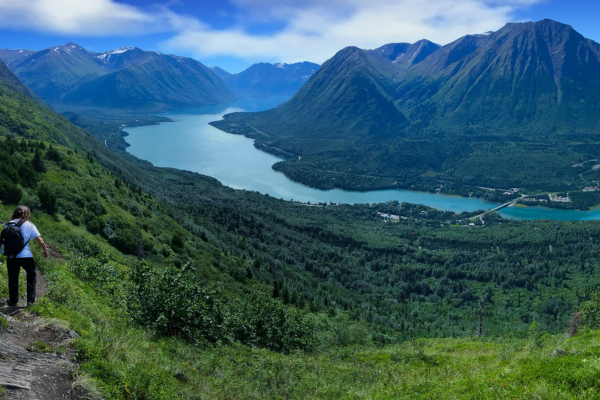
Inletkeeper’s Watershed Days will invite you to explore our relationship to the watershed firsthand: walking streambanks, wading in waters, and learning in a way that connects you directly to the lands and rivers’ rhythms, encouraging us to reflect on how our daily choices ripple downstream.
Before AK LNG Asks for Tax Breaks, They Need to Stop Hiding Its Costs
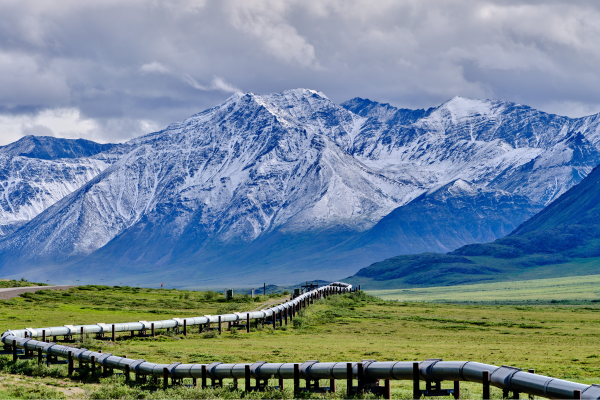
Governor Mike Dunleavy has said he plans to introduce legislation to give the AKLNG project a 90% break on the property taxes that help fund local schools, roads, and emergency services. Consultants, too, give legislators a hard sell on the need for tax breaks and other “risk sharing” between the project and the state. We need to know: if the legendary gasline were built, what would we in south central Alaska be paying for North Slope gas?
The “Big, Beautiful Cook Inlet” (BBC1): March Lease Sales Move Forward without New Environmental Reviews
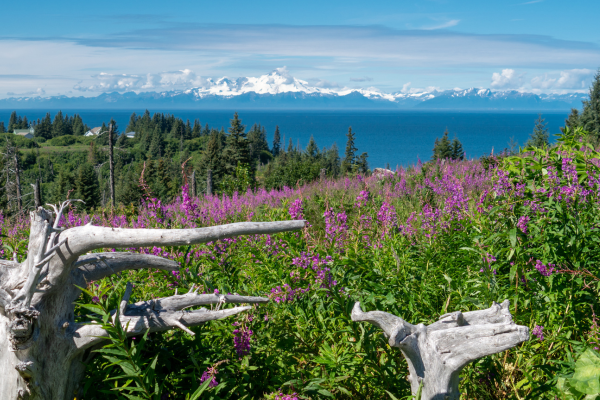
Instead of conducting updated environmental analysis, on the BBC1 lease sale the administration indicated it would rely on reviews completed in 2017 during the first Trump administration. Inletkeeper has joined with community and environmental groups to formally notify Interior Secretary Doug Burgum of their intent to sue if the sale proceeds without required consultation under the Endangered Species Act (ESA). Relying on outdated reports disregards nearly a decade worth of analysis on the accelerating impacts of climate change, increased industrial activity, and updated science on species and habitat conditions.

Borough Mayors Should Shed Light on the Real Costs of AK LNG
If AK LNG relies on a nearly free ride from boroughs to have a chance at beating the high end of the cost range for imported LNG, then Glenfarne’s claim to bring affordable energy to the Railbelt must be taken with a grain of salt — a grain the size of a Nikiski beach boulder.
Inletkeeper’s Guide to Alaska Legislation
February 17, 2026 – The Alaska State Legislature

Offshore Oil Leases Are a New Crisis, Not an Answer to Alaska’s Energy Needs
Something that’s normally subtext became an unvarnished acknowledgement: federal policy consistently puts oil corporations first. Even when it makes no sense for anyone, including the oil corporations. For another example, look no farther than the Trump administration’s recent handling of oil and gas leases in Alaska.