
Inletkeeper Blog
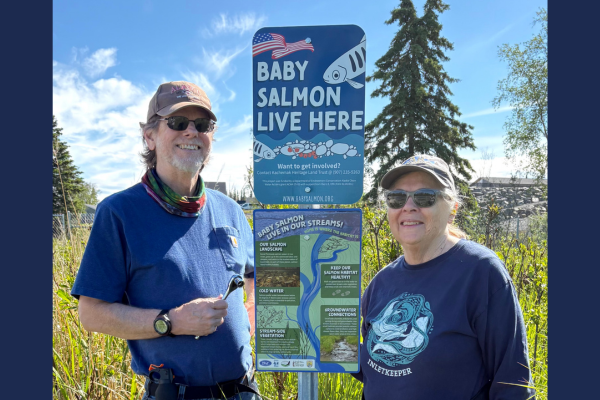
Building a Salmon Future: The People Behind Backyard Salmonscapes
When you volunteer with Backyard Salmonscapes, you become an ambassador for your watershed. You show and inspire your neighbors, friends, and family that what we do in our backyards matters, and that every choice we make can help or harm our salmon streams.

The Definition of Harm – Gutting the Endangered Species Act
Scrapping the definition of harm and gutting the Endangered Species Act is a blatant handout to industries that care more about short-term profits than the survival of countless species or the health of our ecosystems.

Legislators need to hear from AK LNG skeptics
The AK LNG “credibility gap” that Bjorkman was concerned about has only grown. Unfortunately, it appears Bjorkman’s credulity gap has, too. He is now advocating a tax break for AK LNG with few strings attached.

Demand That Your Representatives Do Their Job: Protect Alaskans First, Not AK LNG Corporate Profits.
Legislators cannot protect Alaskans from massive financial risks if they are forced to vote without the facts. Rushing this process is reckless. Demand that your representatives slow down and do their job: protect Alaskans first, not corporate profits.
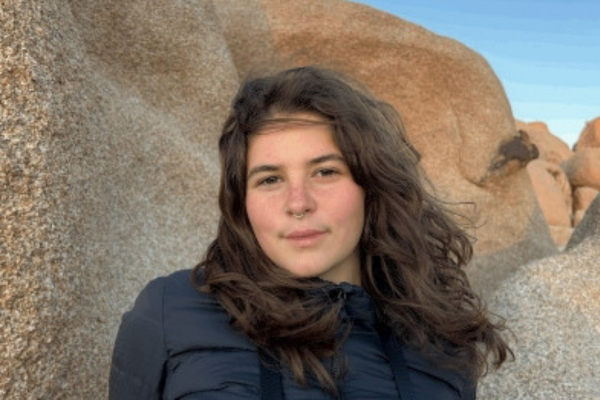
From Los Angeles to Homer and Back: Across Watersheds, Against Extractivism
Whether through corporate interests, financial institutions, or investors who benefit from resource exploitation, the rewards primarily flow to those with economic power rather than being invested in local communities. In contrast, we, as members of the affected ecological communities, see few of the benefits while shouldering the costs.
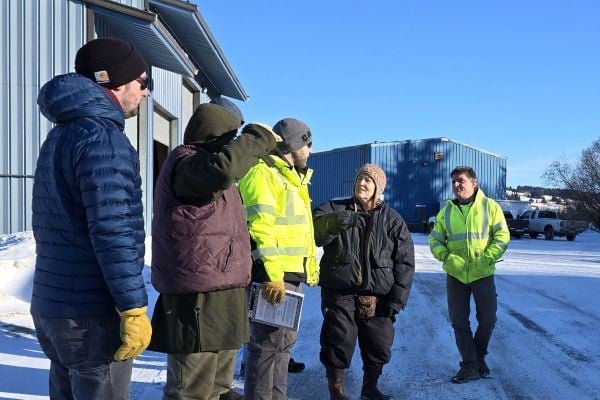
Extending the Lifespan of the Homer Landfill
While it may not be the most beautiful feature of the Homer area, the transfer facility is certainly one of the most critical.
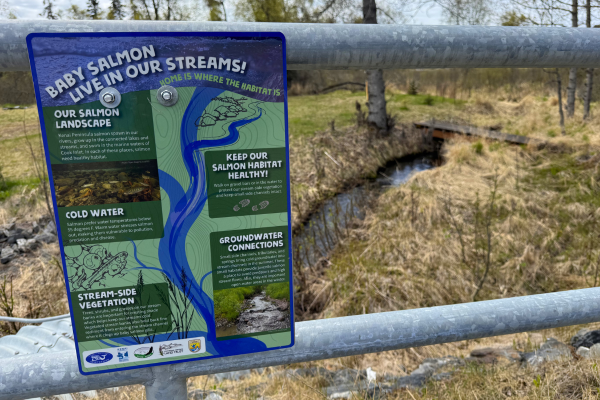
Protecting the Future of Cook Inlet Salmon Starts With Us
You have the power to protect salmon every day by how you treat the land and water around you. When you leave streamside plants standing, keep your feet on the trail to minimize erosion, respect stream buffers, and stay on designated trails and access points near rivers and streams, you set an example of responsible recreation and stewardship.
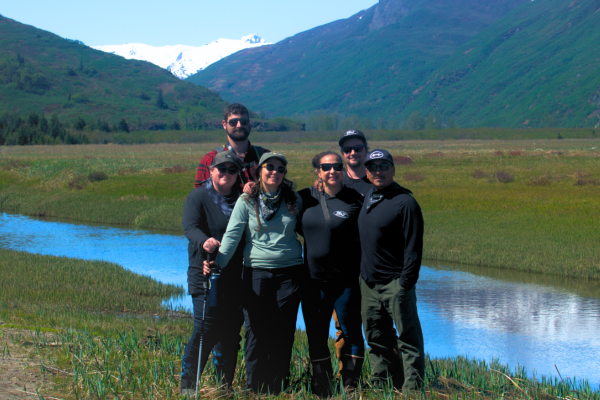
A Place Worth Fighting For: Along Cook Inlet’s Wild Bear Coast
Lake Clark National Park speaks for itself: this is no place for a mine. As one of the nation’s least visited national parks, Inletkeeper staff were overjoyed to be invited to stay at Silver Salmon Creek Lodge, on the park’s coast line. Being off the road system, the park is difficult to access, and as such, it one of the most stunning natural places we’ve experienced.
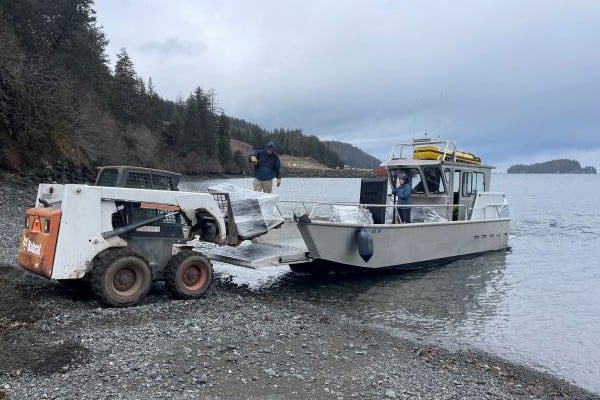
Electronics Recycling Success
Thank you to everyone who dropped off their electronics at our events. Keeping hazardous waste out of our watershed is a community effort with incalculable benefits.
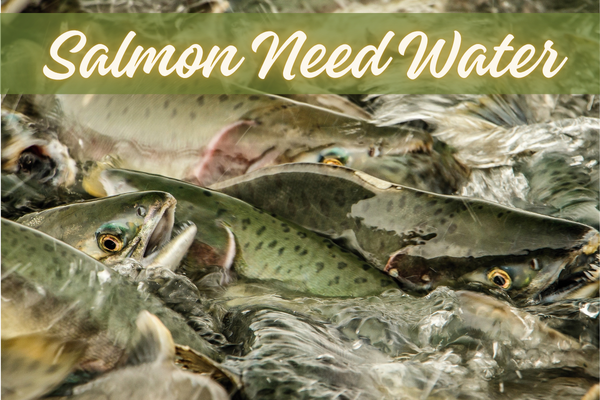
Speak Up to Keep Water in Alaska’s Rivers for Salmon.
Comment on Alaska’s Proposed Instream Flow Regulations by June 30, 2026.