by Cook Inletkeeper | Dec 8, 2020 | Clean Water, Climate Change, Healthy Habitat, Local Economies
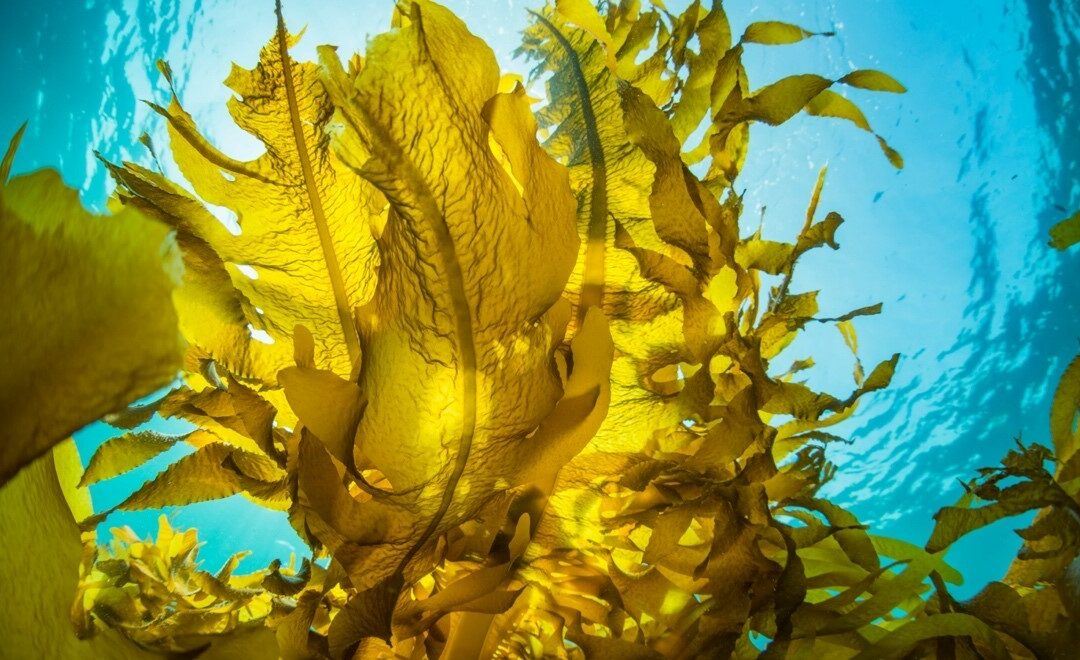
Currently about 40% of the world’s population resides within 100 kilometers from the coast, many of which depend on ocean resources to make a living, through subsistence, tourism, recreation, and other economic activities. In 2010, 39% (123.3 million) of US...
by Sue Mauger | Oct 28, 2020 | Climate Change, Salmon
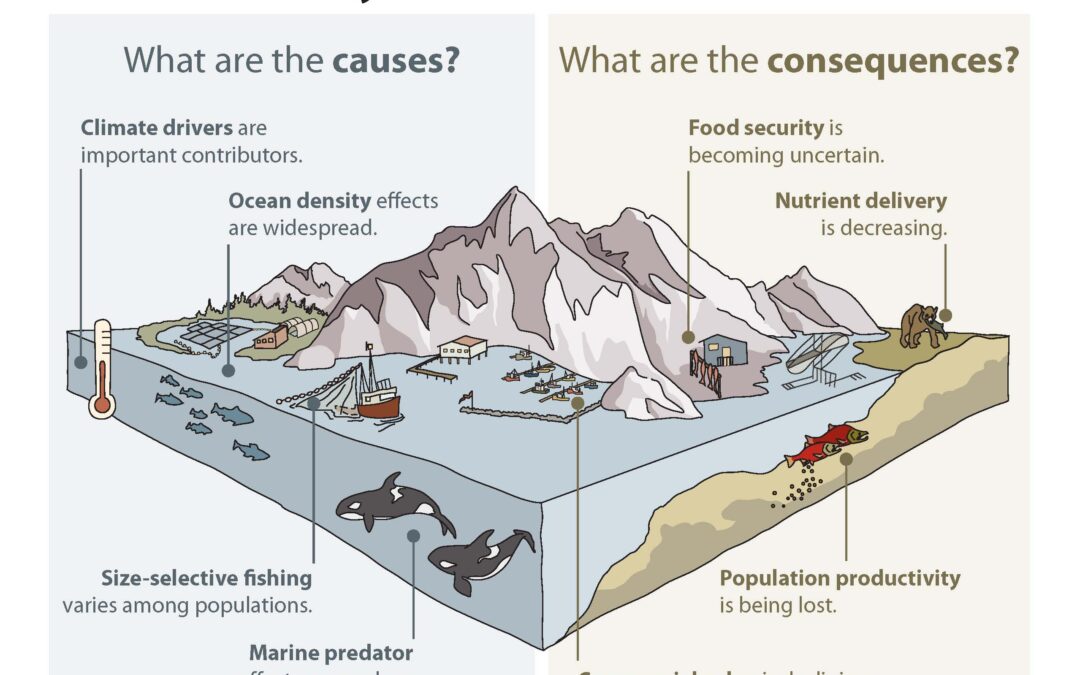
This summer we shared our latest paper on the importance of freshwater conditions for Cook Inlet Chinook Salmon and highlighted how important it is to understand stream-specific responses to climate change for better management of our valuable fisheries. Now we’d like...
by Cook Inletkeeper | Oct 26, 2020 | Clean Water, Climate Change, Energy & Alaska, Healthy Habitat, Uncategorized
Background: The Exxon Valdez Trustees Council (EVOSTC) was established after the Exxon Valdez Oil Spill to oversee restoration of the injured ecosystem through the use of the $900 million civil settlement. The Council consists of three state and three federal trustees...

by Cook Inletkeeper | Oct 8, 2020 | Climate Change, Energy & Alaska, Lease Sale 258, Oil & Gas
Forty-five years ago a group of Alaskans with a passion for Cook Inlet took on the oil and gas industry. And in a remarkable David and Goliath battle, they prevailed. Thanks to this small but dogged group of fishermen, scientists, artists and activists, the epic view...

by Cook Inletkeeper | Sep 17, 2020 | Civics, Clean Water, Climate Change, Energy & Alaska, Healthy Habitat
As the fishing season hit its stride this summer, Alaska Department of Environmental Conservation Commissioner Jason Brune sent a letter to commercial fishermen about the hazards of dumping raw sewage close to shore. And while sewage management — especially on smaller...

by Cook Inletkeeper | Jul 26, 2020 | Climate Change, Energy & Alaska, Government, Healthy Habitat, Uncategorized
Alaska’s land, water and communities are facing a climate crisis, and we all know the problem. Surface air temperatures in the Arctic are rising at twice the rate of average global warming. A hotter, more arid atmosphere is melting the state’s iconic glaciers at a...
