
Offshore Oil & Gas Lease Sales
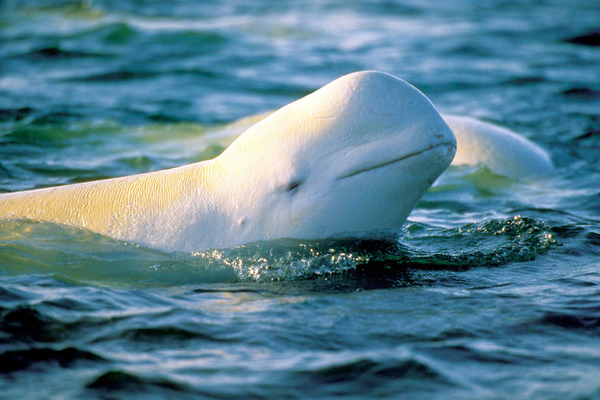
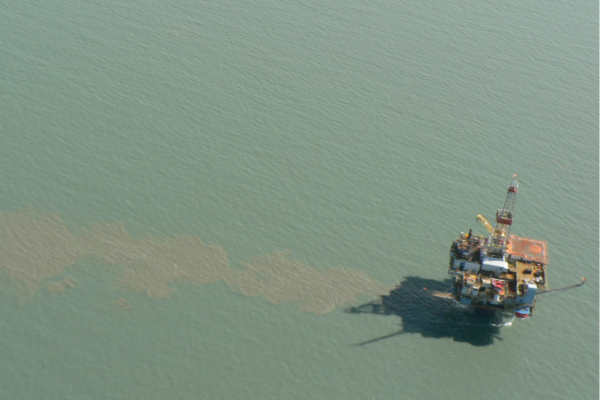
Federal Outer Continental Shelf (OCS) oil and gas lease sales in Lower Cook Inlet auction off public waters to private oil companies, giving them the right to explore for and drill oil and gas beneath the seafloor and put clean water, healthy salmon, and the future of endangered Cook Inlet beluga whales at risk.
Under current law, the Bureau of Ocean Energy Management (BOEM) can offer these federal lands to the highest bidder, even when public opposition is strong and industry interest is weak. In recent years, new legislation, such as the Inflation Reduction Act and the One Big Beautiful Bill Act, has forced BOEM to hold lease sales regardless of their environmental or community impacts.
Earlier this year, the Bureau of Ocean Energy Management (BOEM) initiated a national five-year planning process for offshore oil and gas lease sales. The existing plan wasn’t set to expire until 2029, but it didn’t line up with the Trump administration’s overtly pro-oil approach. So BOEM threw the plan out, and now proposes to open an extensive amount of Alaska’s coastal oceans — 21 total leases from Southeast to the Arctic — to industrial development.
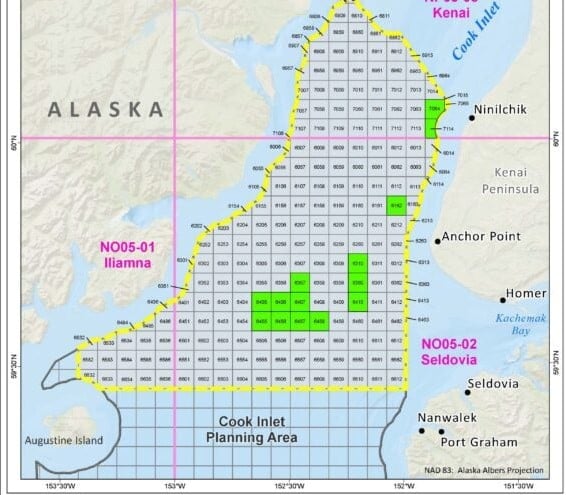
The agency released its new draft on November 20th, offering a limited 60-day window for public comments over the holidays—a deliberate attempt to prevent public participation in this process. The plan includes five lease sales for Lower Cook Inlet from 2027 to 2031 that span 5 million acres, including areas that have never previously been exposed to harmful oil industry impacts.
The five proposed Cook Inlet leases are part of Cook Inlet’s Dirty Dozen, along with six separate offshore leases required by President Trump’s budget bill, and an attempt to resuscitate 2022’s flawed Lease Sale 258.



Take Action
Alaskans and all Americans deserve a seat at the table when federal agencies make decisions that affect our fisheries, tourism industry, local recreation, and the health of our watershed. Now, we need your help to once again make it clear to the Trump administration that new oil leases are a catastrophe in the making.
We know it’s frustrating to be doing this again, but your letter can help build an official record of opposition. BOEM’s plan is still officially a draft, even though their intent to expand offshore is clear. Now is the time to push back. Alaskans’ passion for protecting our fish, preserving our state and national parks, and our communities’ deep connections to these wild places we call home show how out of touch the Trump administration’s pro-oil agenda is for Cook Inlet.
The public comment period is open until January 23, 2026.
What is at Stake for Cook Inlet | Tikahtnu
Lower Cook Inlet is one of Alaska’s last relatively unspoiled marine ecosystems, not an industrial zone. It’s home to salmon, halibut, sea otters, seabirds, and the critically endangered Cook Inlet beluga whale. It also supports vibrant fishing, tourism, and recreation economies that rely on clean water. Opening it to oil and gas development threatens all of that.
- Pollution Will Intensify: Cook Inlet is the only offshore drilling region in the nation where the EPA allows companies to dump untreated wastewater directly into the ocean. That same exemption could apply in Lower Cook Inlet, further contaminating the waters that sustain local fisheries and marine life.
- Every Oil Spill Begins with a Lease Sale: BOEM’s own analysis predicts a 19% chance of one or more large oil spills from new drilling. In Cook Inlet’s harsh conditions, high tides, strong currents, and freezing temperatures would make cleanup nearly impossible.
- Fossil Fuel Dependence: Any oil produced from these leases would arrive too late to address short-term energy needs, yet would lock Alaska into decades of fossil fuel dependence, worsening climate change, and delaying the transition to renewable energy.
Why it Matters
Cook Inlet’s economy depends on clean water, healthy fisheries, and the natural beauty that draws visitors from around the world. Allowing new offshore drilling without public input threatens not only endangered belugas and salmon runs but also the livelihoods of fishermen, tourism operators, and local communities who rely on these waters.
Blogs on Oil & Gas Through the Years

The Big Beautiful Cook Inlet (BBC1) Oil and Gas Lease Sale Was a Flop – Zero Bids Received
The Department of Interior announced that there were zero bids in today’s Big Beautiful Cook Inlet (BBC1) oil and gas lease sale. This lease sale, held by the Bureau of Ocean Energy Management (BOEM), was a product of the One Big Beautiful Bill’s six mandated lease sales in Lower Cook Inlet, on which the federal government is refusing to conduct National Environmental Policy Act (NEPA) reviews. The lack of industry interest in oil and gas drilling in Lower Cook Inlet has been repeatedly proven and remains true today.

Legal Challenge to Upcoming Offshore Oil and Gas Sale in Cook Inlet Launched
A federally recognized Alaska Native Tribal Nation, along with several community and environmental health and justice groups, notified the Department of the Interior and the Bureau of Ocean Energy Management today of their intent to sue over a planned March 4 offshore oil and gas lease sale in Cook Inlet.
The Big Beautiful Cook Inlet (BBC1) Oil and Gas Lease Sale Was a Flop – Zero Bids Received
The Department of Interior announced that there were zero bids in today’s Big Beautiful Cook Inlet (BBC1) oil and gas lease sale. This lease sale, held by the Bureau of Ocean Energy Management (BOEM), was a product of the One Big Beautiful Bill’s six mandated lease sales in Lower Cook Inlet, on which the federal government is refusing to conduct National Environmental Policy Act (NEPA) reviews. The lack of industry interest in oil and gas drilling in Lower Cook Inlet has been repeatedly proven and remains true today.
Legal Challenge to Upcoming Offshore Oil and Gas Sale in Cook Inlet Launched
A federally recognized Alaska Native Tribal Nation, along with several community and environmental health and justice groups, notified the Department of the Interior and the Bureau of Ocean Energy Management today of their intent to sue over a planned March 4 offshore oil and gas lease sale in Cook Inlet.
The “Big, Beautiful Cook Inlet” (BBC1): March Lease Sales Move Forward without New Environmental Reviews
Instead of conducting updated environmental analysis, on the BBC1 lease sale the administration indicated it would rely on reviews completed in 2017 during the first Trump administration. Inletkeeper has joined with community and environmental groups to formally notify Interior Secretary Doug Burgum of their intent to sue if the sale proceeds without required consultation under the Endangered Species Act (ESA). Relying on outdated reports disregards nearly a decade worth of analysis on the accelerating impacts of climate change, increased industrial activity, and updated science on species and habitat conditions.

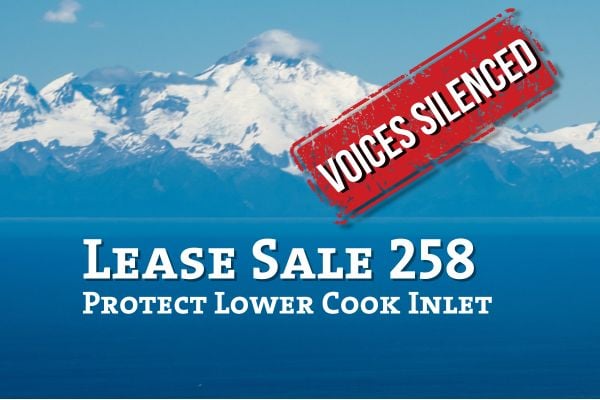
Federal Government Silences Cook Inlet Voices on Lease Sale 258
Development of Lower Cook Inlet’s federal oil and gas leases could proceed without allowing public comment—an action that may affect fisheries, tribes, and established commercial businesses…

What’s Next for Planned Offshore Lease Sales in Lower Cook Inlet
Last year, the Bureau of Ocean Energy Management (BOEM) prematurely scrapped an offshore management plan that protected Alaskan coastal waters from oil and gas leasing. Now, the agency is planning multiple leases for Lower Cook Inlet in their new 5-year plan. It’s vital that we continue to speak up for our coastal ecosystems, sustainable fisheries, and what’s best for our local economies. Learn what happens next.







What Is the Alaska Outer Continental Shelf?
The Alaska Outer Continental Shelf (OCS) includes the submerged lands more than three nautical miles offshore and are managed by the federal government rather than the State of Alaska. With more coastline than all the other U.S. states combined, Alaska’s OCS spans more than a billion acres—nearly two-thirds the size of the Lower 48.
These vast waters are home to thriving fisheries, marine mammals, seabirds, and communities that depend on them. But expanding offshore oil and gas development into Lower Cook Inlet would industrialize one of Alaska’s last relatively unspoiled marine ecosystems.
How OCS Leasing Works
In theory, the OCS Leasing process includes public input and rigorous environmental review. But recent rollbacks to federal environmental laws, like the National Environmental Policy Act (NEPA) and BOEM’s decision to cut the public out of its latest review, have made the process less transparent and less accountable than ever.
Planning
Environmental Review
Bidding
Leasing


Take Action
The Troubled History of Lease Sale 258
Lease sale has been hotly contested by local communities since its inception. In 2024, a federal judge ruled that BOEM’s initial review of Lease Sale 258 violated the National Environmental Policy Act (NEPA). The judge found that BOEM was inadequate in its assessment of alternatives, in order to minimize impacts to Cook Inlet’s critically endangered beluga whale population. The court ordered BOEM to prepare a Supplemental Environmental Impact Statement (SEIS) and suspended Hilcorp’s lease until the review was complete.
But In Fall 2025, BOEM made an unprecedented move — it claimed it will finalize the process by the end of the year without holding hearings and without giving community members, tribes, and stakeholders any chance to weigh in.
While regulatory environmental rollbacks have given agencies discretion around whether to include public participation, BOEM’s decision to exclude the public starkly contrasts with how the government has conducted NEPA processes for the last 50 years and undermines the spirit of the court’s ruling. It could also be just the beginning — the Trump Administration’s most recent budget (HR name for BBB) required Lower Cook Inlet lease sales annually from 2026 to 2030. The political push to open new parcels of the Inlet to giant oil corporations, and to exclude the public from the planning process, sets a very dangerous precedent for the communities and ecosystems in the Cook Inlet region.

