
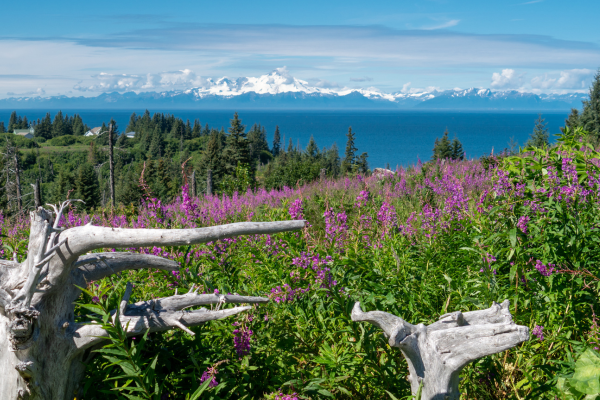
In July of 2025, Congress passed the Big Beautiful Bill Act, a section of which requires BOEM to hold at least six offshore oil and gas lease sales in Alaska, one each year from 2026 to 2028, and again from 2030 to 2032. The first of these six mandated lease sales is now scheduled for March 4, and it is moving forward without new environmental review and without additional public input.
In January, the U.S. Department of the Interior published its final notice of sale for the March auction. Instead of conducting updated environmental analysis, the administration indicated it would rely on reviews completed in 2017 during the first Trump administration. Relying on outdated reports disregards nearly a decade worth of analysis on the accelerating impacts of climate change, increased industrial activity, and updated science on species and habitat conditions.
The reconciliation law scheduled six lease sales through 2032, but it did not exempt the administration from complying with bedrock environmental laws like the Endangered Species Act or the National Environmental Policy Act. BOEM itself has acknowledged that Cook Inlet — a stretch of sea known for its extreme tidal changes and central to southcentral Alaska’s ecology, economy, and culture — is one of the most ecologically sensitive regions in the Outer Continental Shelf.
The Larger Context
The March sale is one of six moving forward under the budget reconciliation law, and is just a part of a wider federal effort to promote an offshore oil and gas agenda in Lower Cook Inlet.
While we track the March sale we are simultaneously awaiting BOEM’s revised Five-Year Offshore Leasing Plan that would add 5 additional lease sales over the same timeline to the calendar. A big thank you to everyone who submitted public comments opposing the proposed five-year leasing plan. We know that engaging during the holidays required extra effort, and we are deeply grateful for your time and thoughtful comments. Here is what to expect from the 5 Year Plan process next:
- BOEM will publish a final draft and give the public another 90-day window to comment.
- To finalize the offshore plan by the end of 2026, they’ll need to deliver it to Congress this fall for a 60-day review before it’s made official.
- To meet their proclaimed end-of-year deadline, we expect the next comment period will be this summer.
In the past two federal offshore Cook Inlet lease sales, Hilcorp was the sole bidder — and no production has resulted from those existing leases. While there has been decades of drilling in state waters, there has been no oil and gas development in federal waters of Cook Inlet to date.
BOEM’s own projections show little to no economically recoverable natural gas in federal Cook Inlet waters — meaning expanded leasing is unlikely to solve Southcentral Alaska’s local gas concerns.
March will be telling. Will this sale attract real industry interest or is it largely political theater?
Expanding offshore leasing here should not be taken lightly- it risks wildlife, food security, local economies, and a way of life that cannot be replaced. Cook Inlet is not a bargaining chip in a political agenda. It is a living ecosystem, a cultural touchstone, and the backbone of communities across Southcentral Alaska. We will continue to demand lawful process, sound science, and meaningful public involvement every step of the way.