by Sue Mauger | Dec 23, 2021 | Clean Water, Climate Change, Healthy Habitat, Local Economies, Salmon, Uncategorized
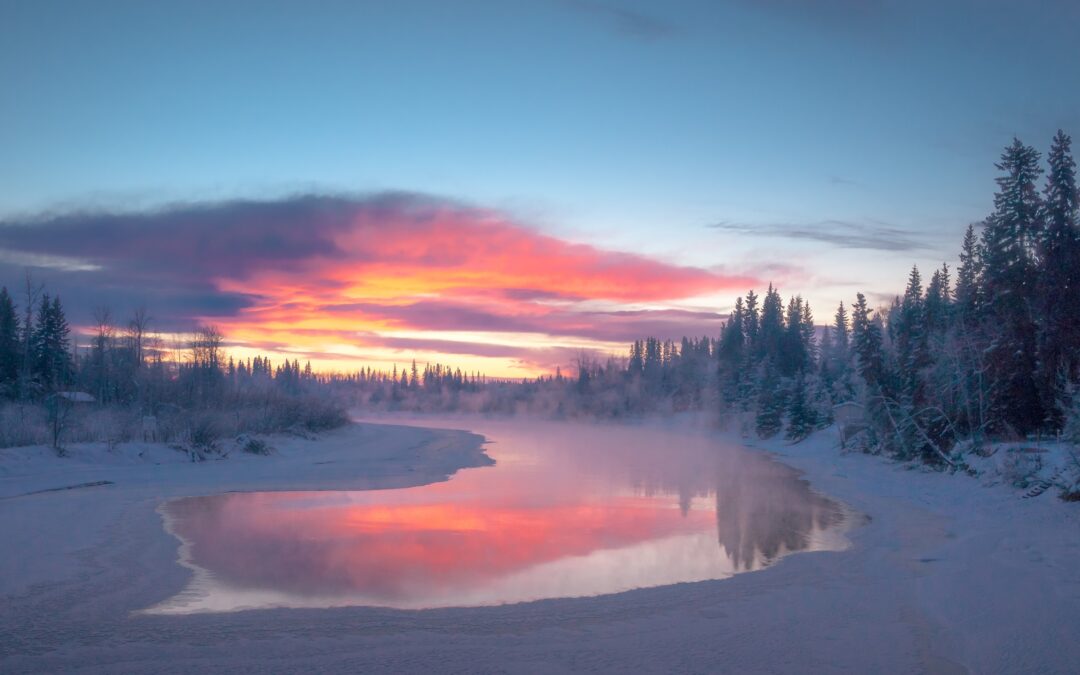
You look at seed catalogs in December. You buy snow blowers in June. You mend nets in August. You prepare for your future guided by your hopes for the future. So let’s all brush aside the fog of uncertainty clouding our vision over these last 18 months and...
by Cook Inletkeeper | Dec 21, 2021 | Clean Water, Climate Change, Healthy Habitat, Local Economies, Uncategorized
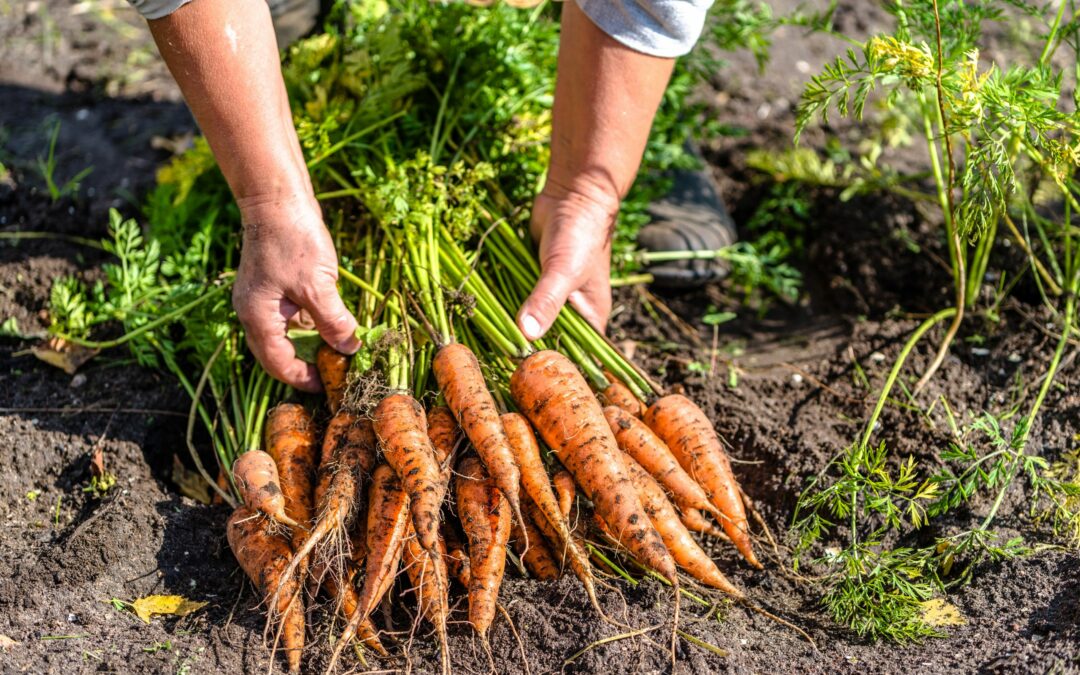
The past 18 months have illuminated the tremendous unsustainable practices and social inequities throughout many sectors, including our globalized food system. We have seen food processors fall ill from lack of sick leave and protective equipment. Severely delayed...

by Cook Inletkeeper | Dec 2, 2021 | Bears, Clean Water, Energy & Alaska, Government, Healthy Habitat, Local Economies, Salmon, Uncategorized
Fat Bear Week brings the wonder and joy of our Cook Inlet bears to people around the world! This year–for the fourth time!!–Otis (or brown bear 480) was crowned king! Otis–relying on the amazing rich nutrients in Katmai–ended the season...
by Cook Inletkeeper | Oct 20, 2021 | Clean Water, Government, Healthy Habitat, Salmon, Uncategorized
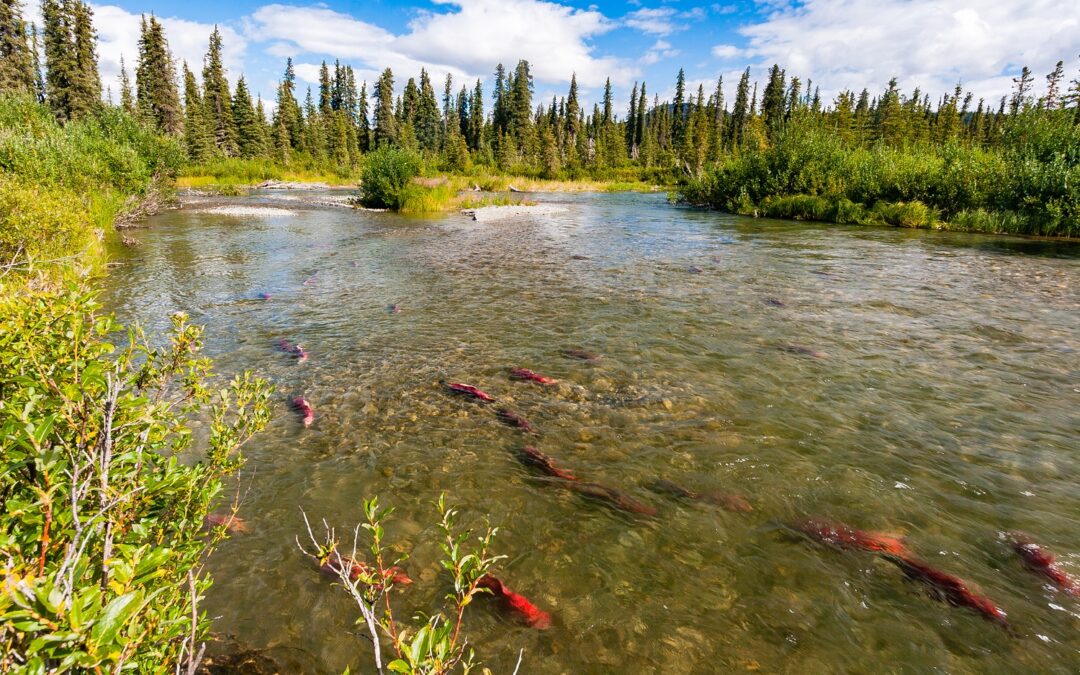
At Inletkeeper, we often talk about the “myth of rigorous permitting.” And the state has provided us with a perfect example of what we mean with their water quality certification of the proposed Donlin Mine. The Alaska Department of Environmental Conservation’s...

by Cook Inletkeeper | Oct 19, 2021 | Clean Water, Climate Change, Uncategorized
Image credit: 2017 Human Mosaic Aerial Art; Lead Artist: Mavis Muller; Photographer: John Newton The science is clear and lacking a hint of doubt – human activity is driving the degree and pace of climate change. While the data and scientific community have...
by Cook Inletkeeper | Oct 6, 2021 | Clean Water, Climate Change, Healthy Habitat, Local Economies, Salmon, Uncategorized
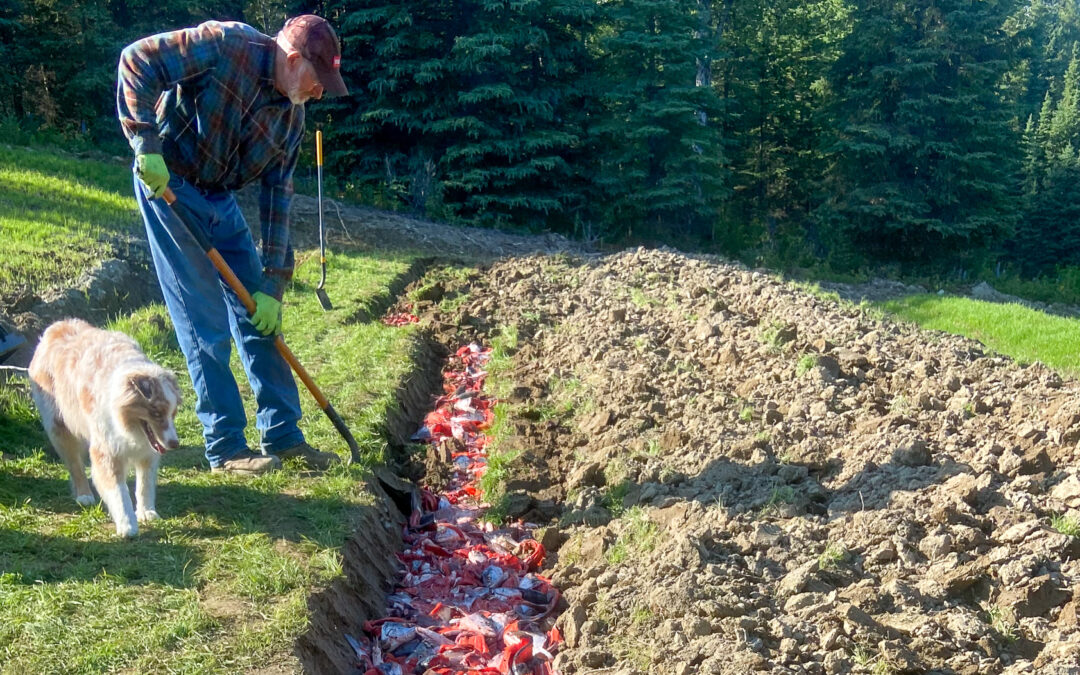
Through the Central Kenai Peninsula’s Community Compost project, we’ve learned just how much organic matter matters in our watershed. At number three out of the top 100 solutions to reverse global warming (drawdown.org), reducing food waste will take a huge bite out...
