
FOR IMMEDIATE RELEASE: September 22, 2022
FOR MORE INFORMATION:
Sue Mauger, 907.399.2070, sue@inletkeeper.org
Taylor Kendal Smith, 907.802.0534, taylor@inletkeeper.org
Ben Boettger, 603.306.1352, ben@inletkeeper.org
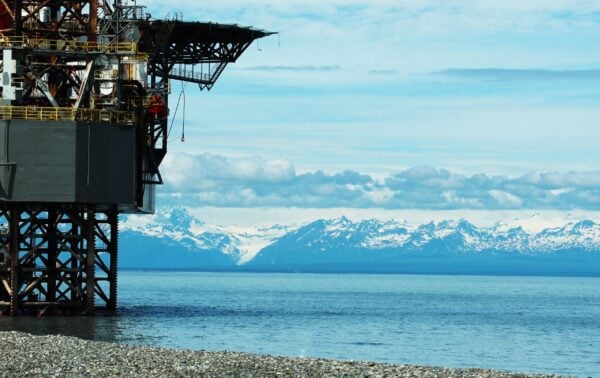
HOMER, Alaska — Today, the Department of the Interior released the Proposed Notice of Sale for Lease Sale 258 in Cook Inlet, Alaska. This is in direct response to the passing of the Inflation Reduction Act, which – although heralded as a significant win for the climate – mandates that the Bureau of Ocean Energy Management (BOEM) hold Oil & Gas Lease Sale 258 in the federal waters of Lower Cook Inlet before the end of 2022.
“Earlier this year, nearly 93,000 Alaskans and Americans voiced their opposition to Lease Sale 258 during the comment period for the draft Environmental Impact Statement. And today, it’s clear these voices have been drowned out by the relentless lobbying of fossil fuel corporations putting profit over people and risking the future of a livable planet”, said Sue Mauger, Science & Executive Director of Cook Inletkeeper.
In May 2022, following this demonstrated local opposition, BOEM canceled Lease Sale 258 citing a lack of industry interest.
Cook Inletkeeper has opposed oil and gas lease sales in Lower Cook Inlet since 1995 after it was founded by a group of concerned citizens following the Exxon Valdez oil spill. In the draft Environmental Impact Statement, BOEM acknowledges that there’s a one in five chance of a large oil spill with new oil and gas development in Cook Inlet – a region with notorious tides, ice and navigational challenges.
“Our coastal communities have stood up repeatedly to say ‘no’ to oil and gas leasing in our waters”, commented Taylor Kendal Smith, Inletkeeper’s Communications Director. “I’m not old enough to remember the Exxon Valdez oil spill, but I know that these lands and waters are forever changed by that spill because our elders make sure we don’t forget. Every oil spill begins with a lease sale. This is our home, not a sacrifice zone.”
Despite the false narratives pushed out by fossil fuel proponents, drilling for more gas in Lower Cook Inlet is not a real solution to our current or future energy problems. “More gas” in general is not a long-term solution. The solution is needing less gas, and it is possible while still maintaining our energy production.
Ben Boettger, Cook Inletkeeper’s Energy Organizer, explains: “Solar, wind, and small hydropower are mature, economical technologies that can make a significant dent in our gas reliance. Longer term, the Cook Inlet region is rich in the resources that the next generation of renewable technologies will seek to tap – namely tidal and geothermal energy. With the options we have now and those likely in the future, drilling lower Cook Inlet is a lousy investment. There would be little to gain in terms of affordable energy and much to lose in habitat, tourism, fisheries, and beauty. Lower Cook Inlet is worth far more — both in economic and non-economic senses of value — intact and protected than with oil platforms and pipelines.”
BOEM proposes to hold Cook Inlet Sale 258 on December 30, 2022.
###
Cook Inletkeeper is a community-based organization founded in 1995 with a mission to protect the Cook Inlet watershed and the life it sustains.