
Inletkeeper Blog
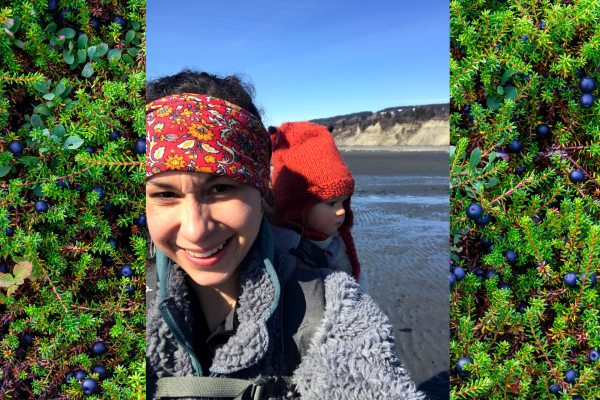
A Goodbye From Co-Executive Director, Loren Barrett
It is with immense gratitude for having been part of this community that I share I will be stepping away from my role at Cook Inletkeeper.

Weather modification in our watershed…
The direct impact of this experiment was insignificant, but it highlights several larger issues as technology develops and our climate continues to change.

Updates on DeepGreen’s underwater data center project
Until November 2, the Federal Energy Regulatory Commission (FERC) will accept public comments on the data center proposal.

Your DAF could double your impact. Here’s how to #HalfMyDAF on October 8, 2026.
A DAF is a simple, flexible, and tax-efficient way to support the causes that matter to you. You contribute funds, get an immediate tax deduction, and recommend grants to nonprofits over time.

Keep. Bears. Fat.
Every September, roughly 1.7 million people tune in to Cook Inlet’s wild bear coast, casting their vote for the fattest bear of Fat Bear Week in Katmai National Park. But just up the coastline from Katmai, in Lake Clark National Park, the proposed Johnson Tract gold mine threatens to change this bear paradise.
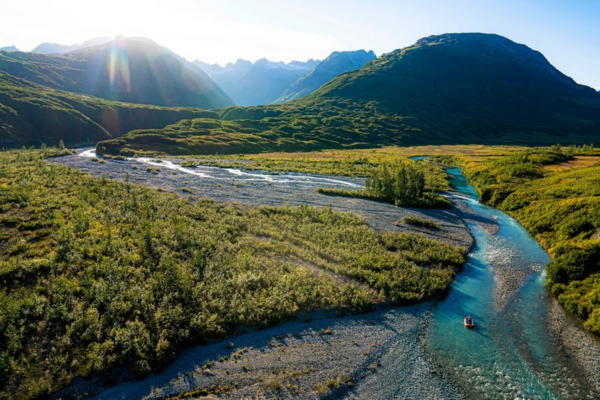
West Susitna industrial plan keeps growing (and so does the public price tag)
The projected cost of the first 22 miles has jumped from approximately $89.6 million in the previous STIP to $227.6 million in the new draft, an increase of roughly 154 percent.
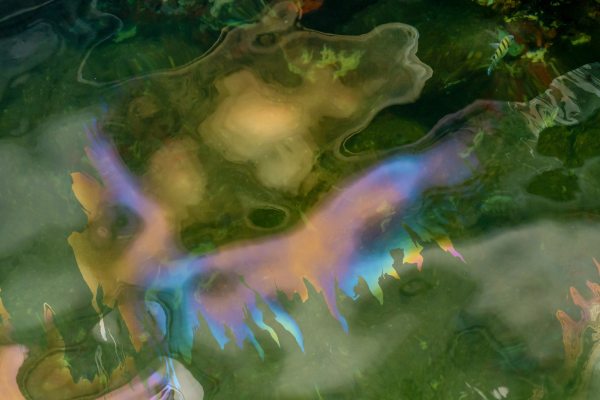
The un-mysterious “Mystery Sheen”: Tikahtnu is NOT Hilcorp’s honey bucket
The recent Trading Bay “mystery” sheens are just the latest warning sign of industry neglect. Every leak and spill puts our waters, workers, and communities at risk, and these infrastructure failures will only get worse.

Lower Cook Inlet Oil and Gas Watchdog Update
The Trump administration is just as intent as ever to industrialize the federal waters of Lower Cook Inlet. As they continue moving forward with their plans to double oil and gas leasing opportunities, the administration is also now allocating $3 million toward government-led seismic testing —a costly handout to an industry that has historically paid for its own exploration. The proposed testing would unleash underwater blasts across the Inlet, threatening marine life in the same waters as our commercial, charter and personal use fisheries.
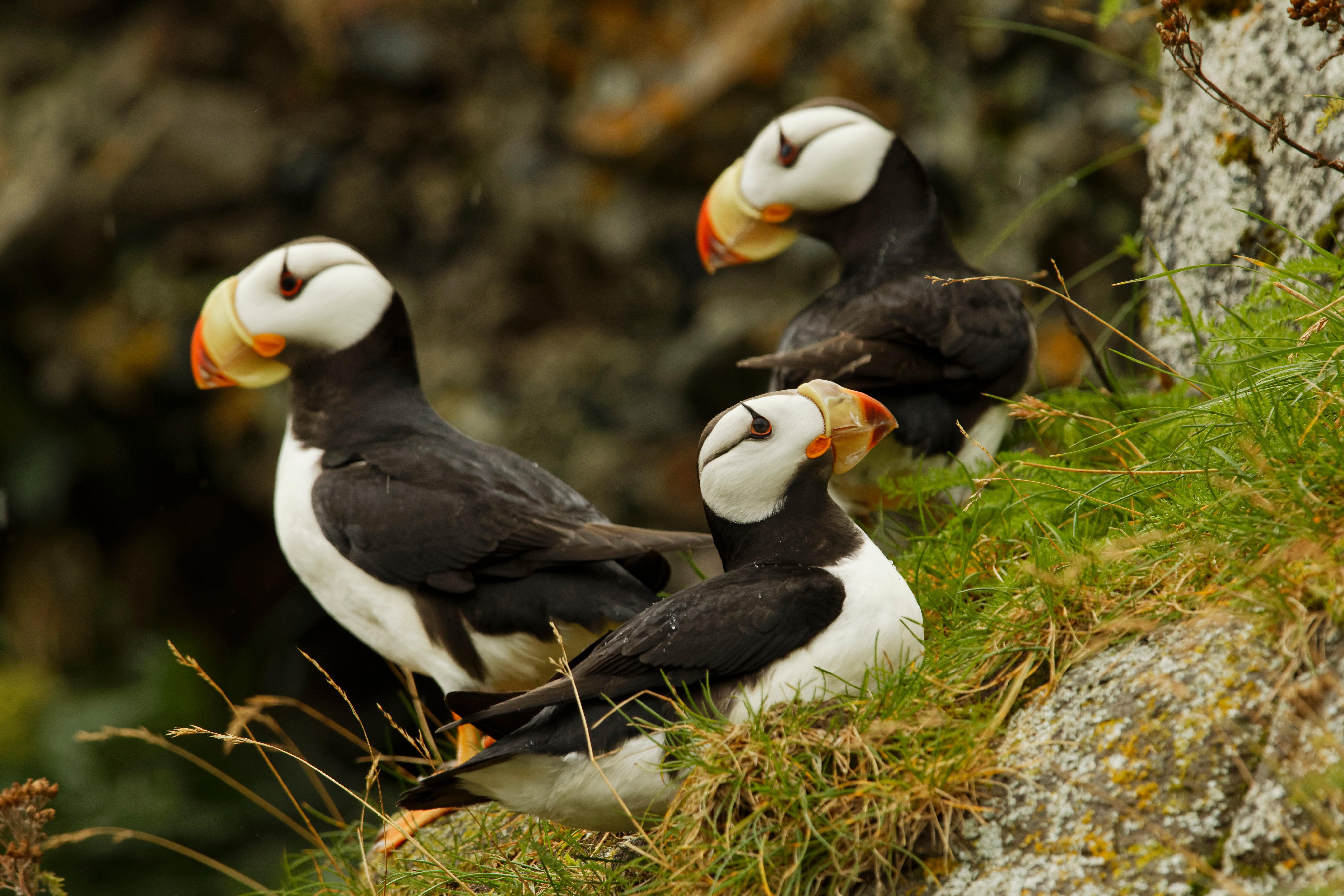
See what we’re protecting: Summer scenes from Tuxedni and Lake Clark National Park
Two-thirds of Alaska’s population lives in the Cook Inlet watershed. Yet, many have not had the opportunity to visit Lake Clark National Park and adjacent Tuxedni Bay on the west side of Cook Inlet. From afar, it’s a dramatic mountain range of volcanoes; close up, it’s a stunning, sweeping landscape bursting with life.
The Seasons are Changing, But The Work Continues. . .
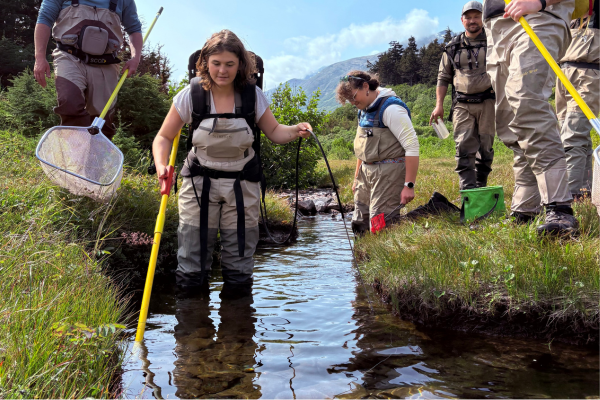
You don’t have to be a fisheries biologist. You don’t have to know everything about salmon. You just have to be willing to learn and get your boots wet.