
Inletkeeper Blog

CIRI Shareholders Deserve a Voice
As the landowner, Cook Inlet Regional Inc. has primary decision making power over the future of the Johnson Tract Gold Mine. For a project with so many local consequences, CIRI shareholders deserve to be fully informed and have meaningful opportunity to weigh in.
No Handouts for the Pebble Partnership
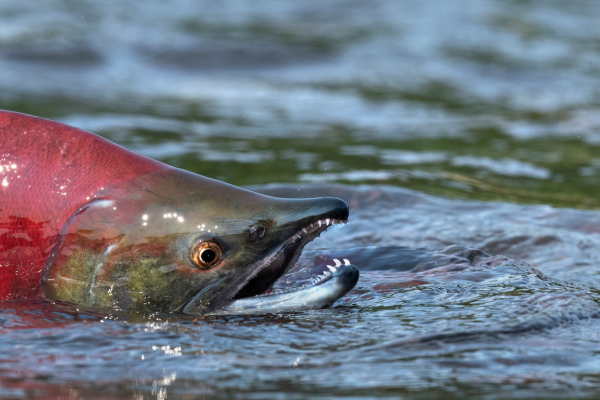
Last month, the Department of Justice issued a briefing affirming their defense to the EPA’s 2023 Clean Water Act veto for the massive open-pit copper mine proposed in the Bristol Bay watershed as part of an ongoing lawsuit. As we celebrate the DOJ’s affirming stance on Pebble’s unacceptable risk to Bristol Bay, we keep our eyes on the long-term solution: State-driven protections for the entire Bristol Bay watershed. The Bristol Bay Forever Act is currently under consideration in the AK State Legislature.
Homer Drawdown: No Scrap Wasted
Homer Drawdown is a community-led, grassroots organization working to sequester carbon, reduce emissions, and ultimately fight the climate crisis that affects us all. No Scrap Wasted was selected as our fourth solution last December. This initiative aims to redirect waste streams locally, ensuring that whatever resources are expended are fully utilized.

Why AK LNG Is Worth Opposing
Investing in LNG is a bet on climate policy failure. What we can be certain of is that AK LNG would substantially more than double Alaska’s current carbon footprint. It’s a low-probability, high-impact risk that we can’t ignore.
21st Annual Electronics Recycling
Beyond preventing harmful electronics waste from ending up in landfills, we recognize the critical importance of recycling the valuable metals inside the devices we use daily. Inletkeeper and our partners have provided this service in the communities of Nanwalek, Port Graham, Seldovia, Ninilchik, Seward, Soldotna, and Homer.

No Dirty Gold
The glimmer of gold continues to be a seductive force, but gold extraction is an incredibly destructive process, creating immense waste and severe environmental hazards.
Tell Your Senators Not to Back Down on Fixing Our Revenue Shortfall
The old saying is that law is like sausage – if you want to appreciate it, don’t watch it being made. But the messy sausage-making of closing this tax loophole hasn’t killed our appetite for budget policy that can support Alaskans with sustainable state services.
Volunteer to Get Out the Vote for HEA Elections
If we want different outcomes, we have to show up. These races will be decided by who knocks the most doors and makes the most calls. Please join us. We have opportunities in Homer, Kenai, and Soldotna.
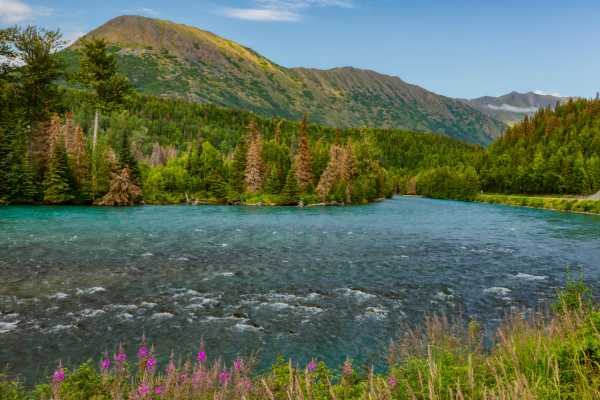
Strengthening Community Stewardship Across Tikahtnu
Whether you’re a lifelong Alaskan or newly curious about salmon and the Cook Inlet Watershed, the 2026 season promises meaningful ways to engage, learn, and take action for clean water and healthy salmon.
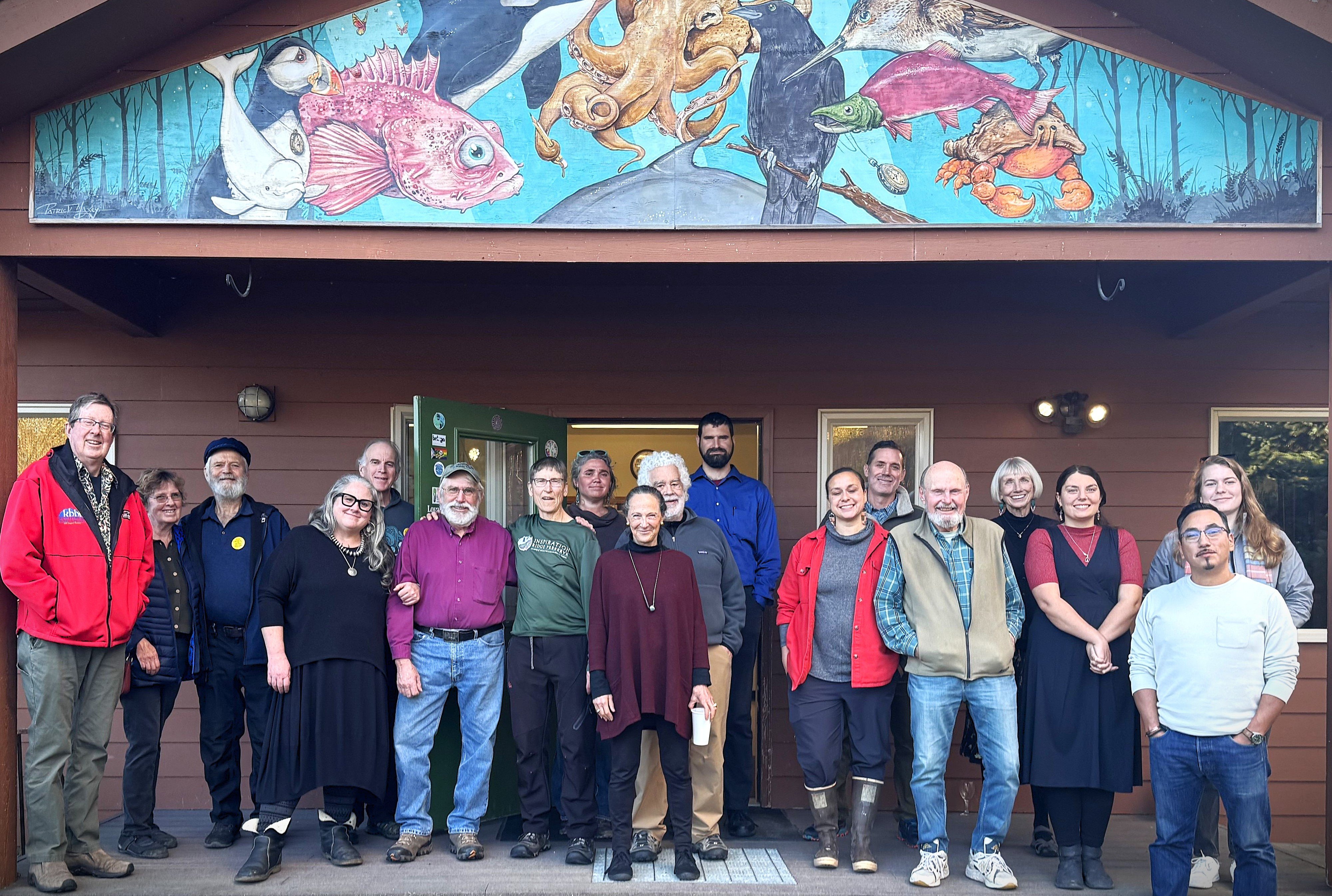
Interested in Joining the Inletkeeper Board of Directors?
We believe lasting change comes from science, stewardship, and solidarity, and from people willing to show up for community and commit to this place we call home.